Coding Zero: The role of software in next-gen yachts
Creating a groundbreaking vessel that operates at sea without using fossil fuel is no small challenge, but the story doesn’t stop with the development and installation of technologies based on renewable energy. The use of an all-electric power and propulsion system, the need for energy efficiency, the demand for extended cruising autonomy in comfort, and the desire to optimise sailing performance – and, by extension, maximise power harvesting through hydro-generation – add a whole new level of complication. It’s a challenge that the Zero team is addressing through the application of software.
Even for the highly experienced team of developers, Zero’s solution is monumental in scale and ambition – a true moonshot. From coding an intelligent energy management system to solving how to measure three-dimensional sail trim in real time, the team is breaking down the core systems of the vessel one by one with a view to creating custom software to facilitate onboard functionality. The ultimate goal will be for Zero to feature software solutions that redefine how yachts can be operated – and with the project taking an open source approach, much of the code will be made available for others to utilise, adapt and improve as and when those solutions are developed.
So how do you even begin to tackle such a huge undertaking? “The concept of sailing yacht Zero and how to make it work and get the energy balance right has always had a strong IT component to it, because everyone involved in creating the concept already understood that the systems had to be managed in the right way,” begins Alje van Dam, a software developer working on the project. “That’s where our team comes in.”
For Boudewijn van Groos, tech lead and developer for the sailing yacht Zero project, it’s about focusing not just on the individual solutions but also on the backbone of the system. “We’re building the tools and the things we need, but also a large component is the infrastructure – bringing all the pieces together and collecting all the data, for example,” he says.
The power of ten
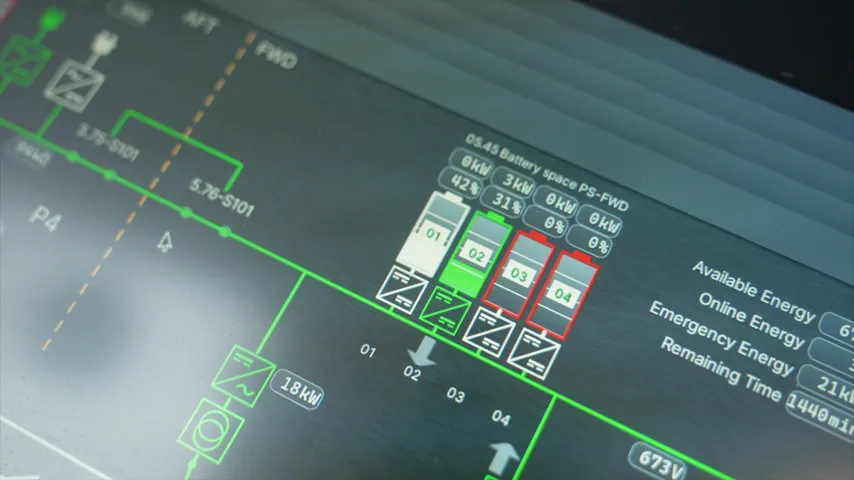
To make managing the project easier, the team has identified 10 items which are each being addressed with software solutions. “We came up with that list to delineate our work, which is a good starting point,” says Van Groos. For example, there is energy insight and management, which means communicating with the crew what the current energy status is and building on that to start actively managing energy usage and reserves. Then there is weather routing which takes into consideration the need for maximum hydro-generation to keep the batteries topped up.
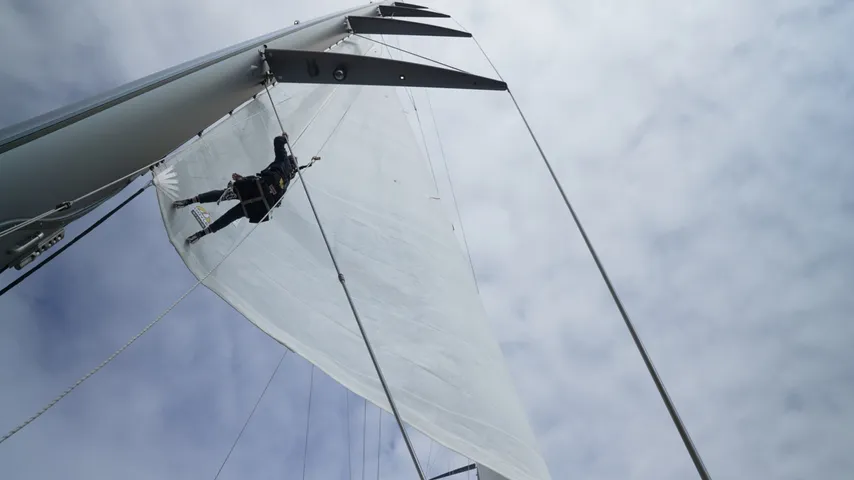
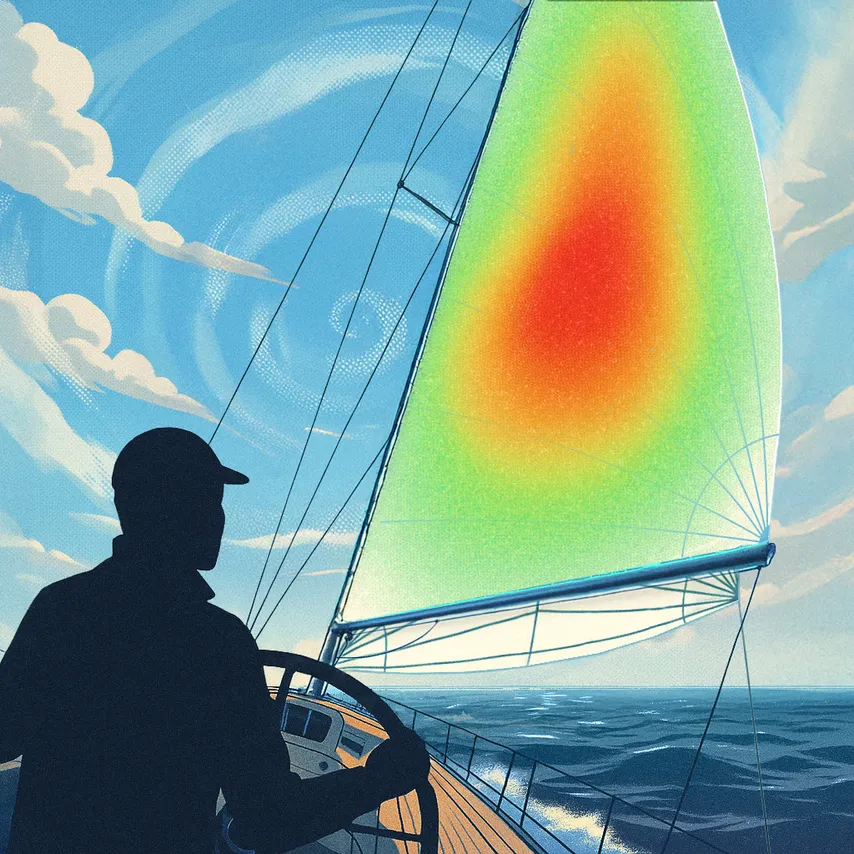
Related to that is itinerary planning that also focuses on energy production, such that a change in the weather forecast may change the yacht’s energy predictions which in turn may require a change in itinerary. Sail performance optimisation, which is essentially the development of IT tools such as a dashboard and apps to monitor sail performance and trim – another point on the list – also taps into this, and this is critical for maximising power generation. “With the majority of energy on board being hydro-generated, optimising sailing performance is a big win,” Van Groos says, “because the physics says that a 10 percent increase in boatspeed translates to a 33 percent increase in potentially harvested energy because there’s a cubic relation between power on the prop and boat speed.”
That leads into the hydro-generation control optimisation, which is used to understand how the propeller and the drivetrain work together with the control loop and see if it can be optimised for elements such as the yacht’s leeway, or making it more comfortable with the sea that may be running. It also provides an opportunity to show the industry how Zero’s hydro-generation system (with its optimised propeller designs) is working in practice, whether it works as planned, what the efficiency is and how it influences the performance of the vessel.
Then there’s control of the domestic systems – lighting, air conditioning, audio-visual equipment and the like. “It’s not really fancy,” Van Groos says, “but it is a tying-in point for the people on board to interact with the boat and to get some energy information there – basically it’s about reaching users.”
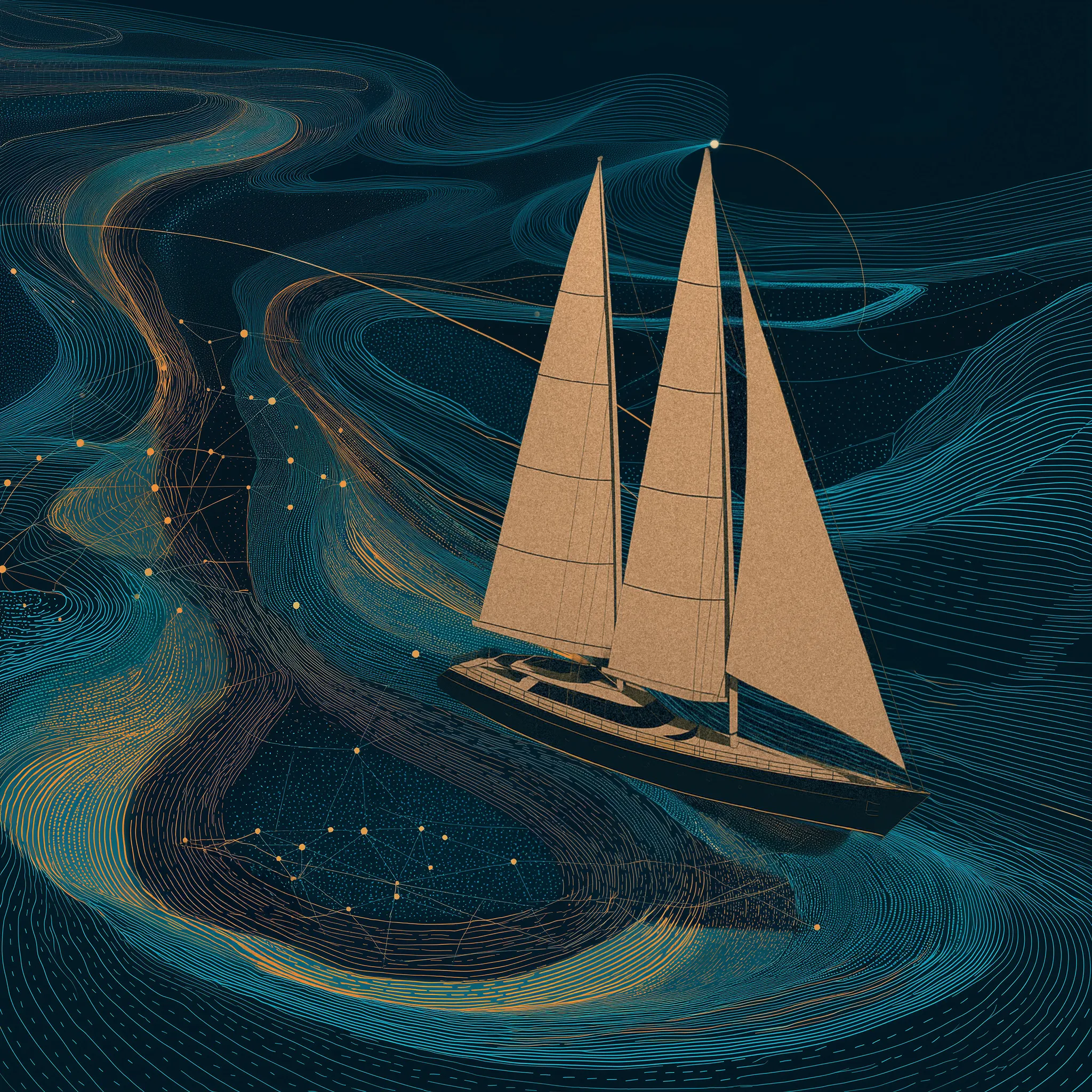
Of all the software systems being developed, perhaps the core vision for the future is the Zero Energy Manager, which would not only tie together many of the other elements but which would also aim to encourage behavioural change, bringing awareness and knowledge to guests and crew of how Zero is different to other boats, and forming another strand of connection to the people on board.
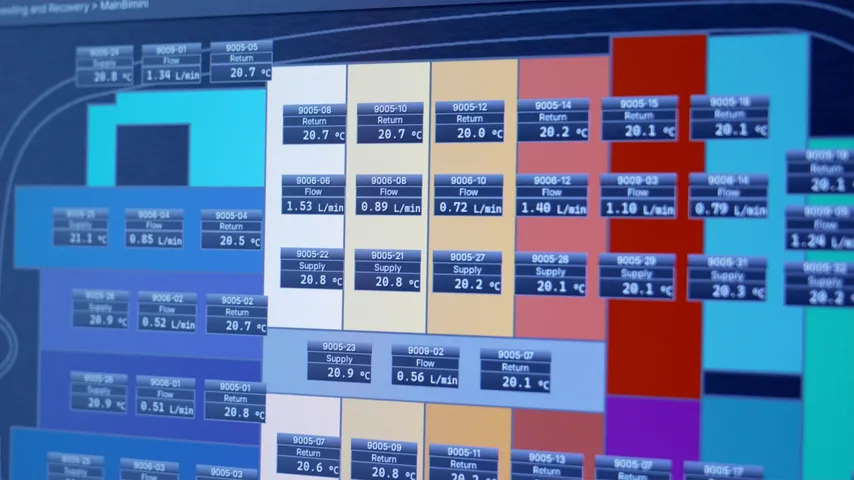
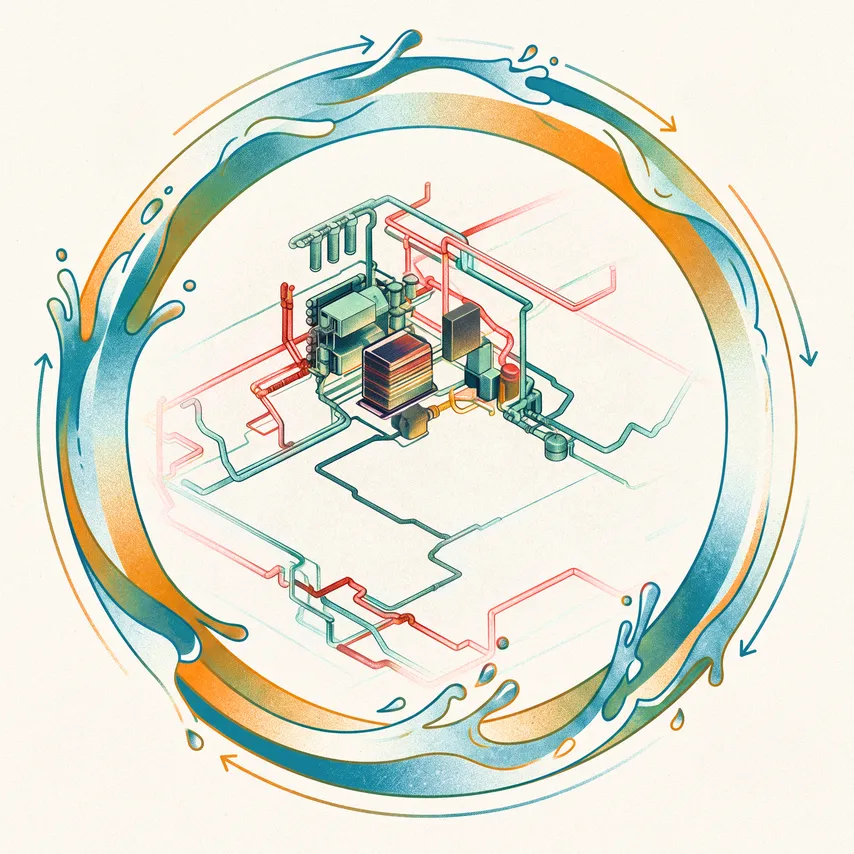
On the more technical systems front, there’s a thermal harvesting and recovery system that needs to be controlled, monitored and managed – essentially, this covers everything from the heat harvesting via the photovoltaic-thermal panels and heat recovery from the thrusters and all the big electrical components, to the wall and ceiling cooling panels and the heat-fired adsorption chiller.
In addition to this is the more general monitoring and maintenance tooling. “Basically we have all the data, and we want to use the data to make life easier for the engineer, for example, with the ability to view and acknowledge an alarm even when they’re not on board via a ping on their phone,” says Van Groos. “It will also tie into a 3D model that is being built with the data, so you can walk around the boat and basically look through the walls for fault-location and inspection.”
Finally comes the data platform itself. “It’s the bottom layer of infrastructure,” Van Groos explains. “This is the collecting, storing and integrating of all the data, having the infrastructure on board to run all our software, and also making that available for other people. This also reflects the open-source idea which is central to Zero’s software development too,” he adds. “If you hold all the software in your own hands you are more able to open-source it for others to benefit from.”
It all adds up to a serious undertaking, made more challenging by the fact that much of it involves coding new solutions for a project that is itself groundbreaking in so many ways. The software development isn’t just about creating the tools, but also about preventing vendor lock-in which is, essentially, where you bring in someone else’s solution but then end up stuck with it.
The build-up
Developing the software for Zero isn’t just about knowing how to code – it’s about understanding the design and engineering principles being applied across the yacht’s systems, as well as understanding the environment into which they are being deployed.
Alongside data analytics and software development skills, for example, Van Dam brings some sailing experience to the team, albeit on smaller yachts rather than a near-70-metre superyacht. “It’s really helpful,” he says. “In fact it’s much more helpful than I thought it would be. It helps to be multi-disciplinary in a project like this, because you’re talking to sailors, suppliers, engineers, software developers, and more.”
The approach so far has been to work on development more or less in silos, but with an understanding that the parts will need to be integrated seamlessly into a whole as the project nears completion. “While we have been building things mostly in isolation, we’re making sure that, for example, the data layer between those things is the same,” says Van Groos.
“In many ways it’s similar to what they’ve been doing with the engineering for the boat, where the final selection of components has been left open while solutions are being explored,” he continues. “We’re building the IT infrastructure in such a way that it’s flexible enough for things to be moved around.” The practical application of that is building a simple dashboard that can just show the data to the crew, then once the actual data is streaming in from the operational phase, the team can ask the crew what is useful and what isn’t, and start iterating the final dashboard design from there.
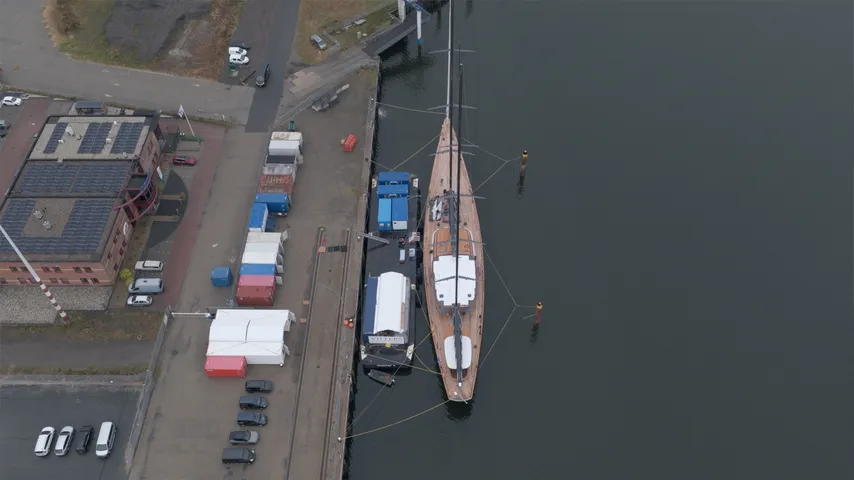
There’s a long way to go before the project reaches that milestone, however, and for now the development of the software continues at pace. The next step will be putting the software to the test which, with the yacht in build, means using various approaches such as running it on a simulation of the yacht, streaming dummy data, using mechanistic models and digital twins, and by applying solutions in a real-world application on an existing sailing yacht.
And even when the yacht launches, the development isn’t over. “There’s a big belief also in data now, insight later,” Van Groos says. “The boat isn’t finished when she completes sea trials, because that’s when the real data starts flowing in, and that’s when the work begins to refine the software platform and optimise the systems. Development,” he concludes, “will continue probably until the first refit!”