Reinventing marine glazing with Royal-Maritiem
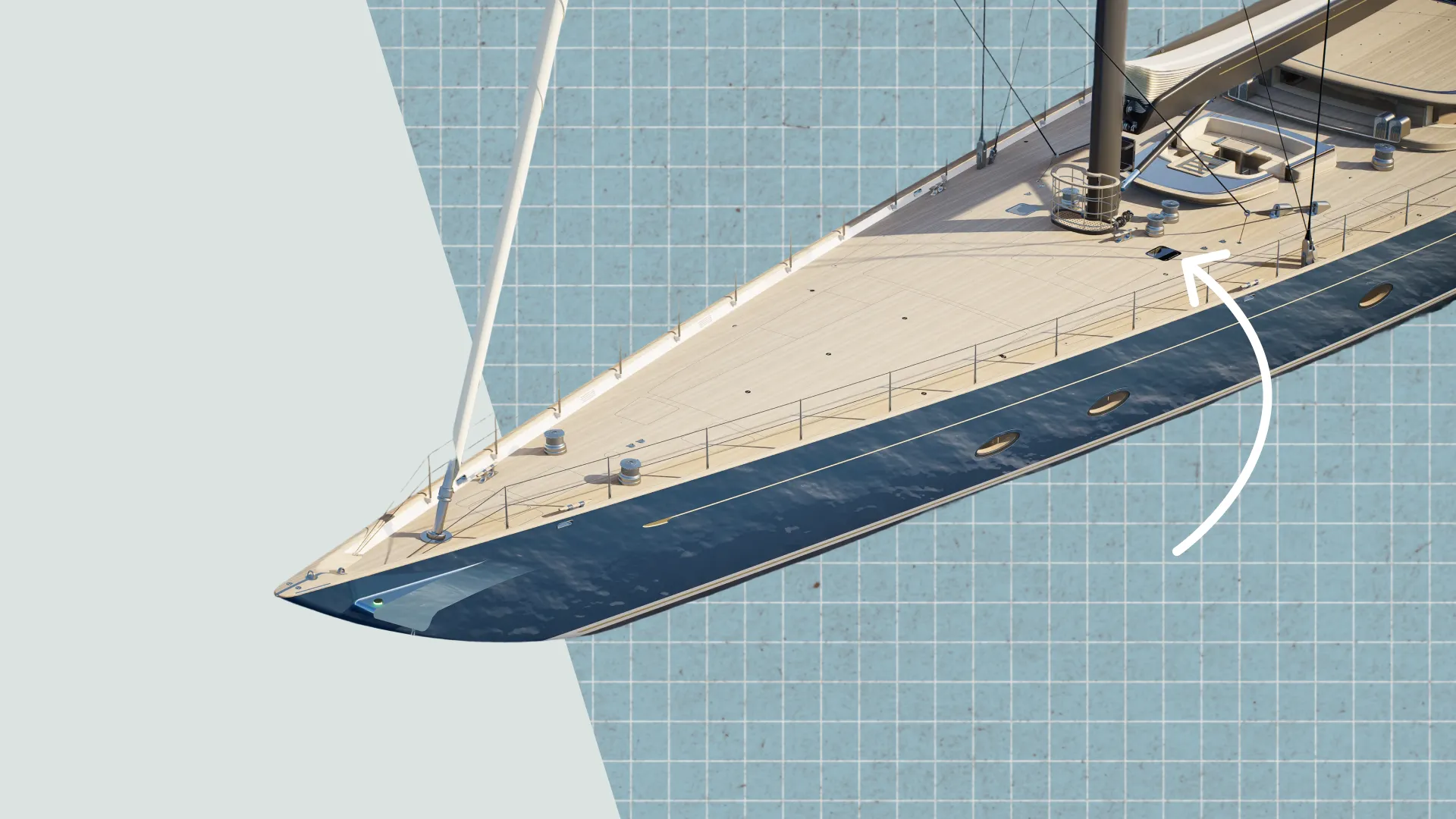
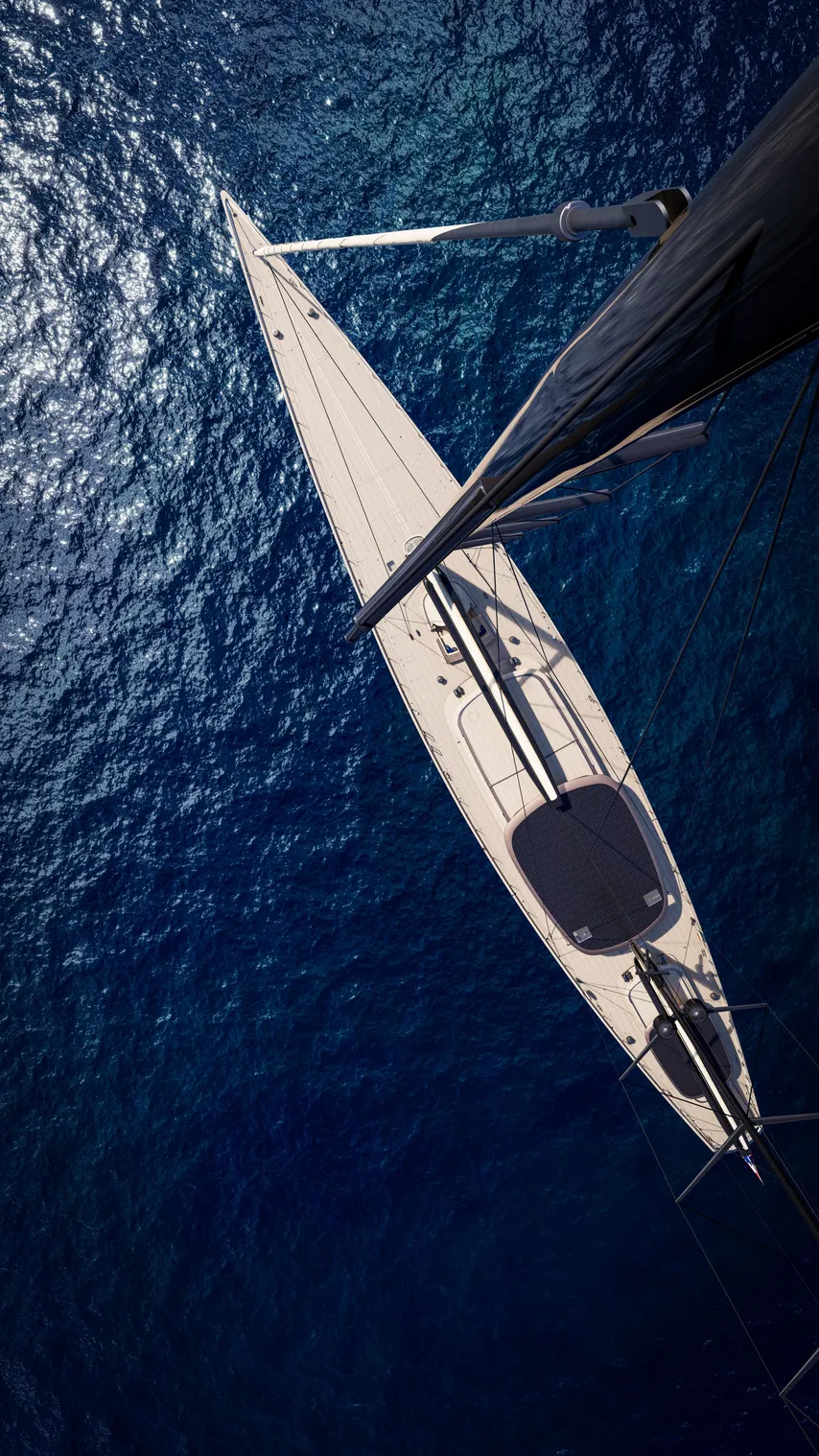
Energy balance is at the heart of sailing yacht Zero. The vessel is the first of its size to be powered entirely by renewable energy, meaning that every little drop of it counts. This meant exploring every possible angle to save energy — including the windows.
Here, the team faced a huge challenge, finding a glass capable of extreme thermal insulation without compromising safety, clarity, or performance.
To help solve this issue, they approached Royal-Maritiem. And this partnership delivered an outcome incredibly rare at sea.
The question was thus: how do you keep heat out, comfort in, reduce energy consumption, and still meet the stringent structural demands of a yacht of this scale?
One such route was specially designed glass.
In other sectors, insulating glass is common, but this isn’t the case in the marine world. To solve this, the team at SY Zero worked with Royal-Maritiem to manufacture a special solution, combining a layer of double-glazed glass with a layer of marine-grade glass.
Double-glazed glass is made from two panes with a sealed space between them. This space is often filled with a noble gas to improve thermal performance. The marine layer, on the other hand, ensures resistance to water pressure, wind, and vessel movement.
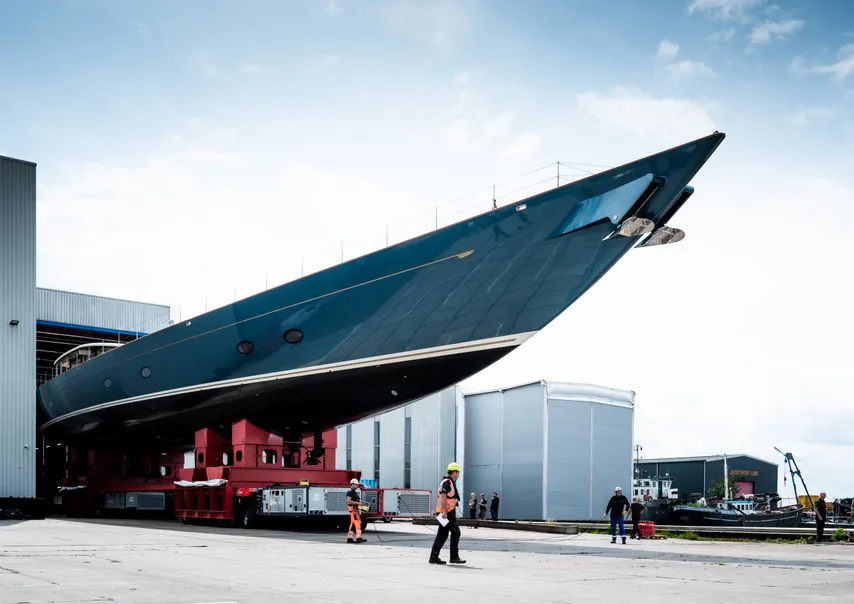
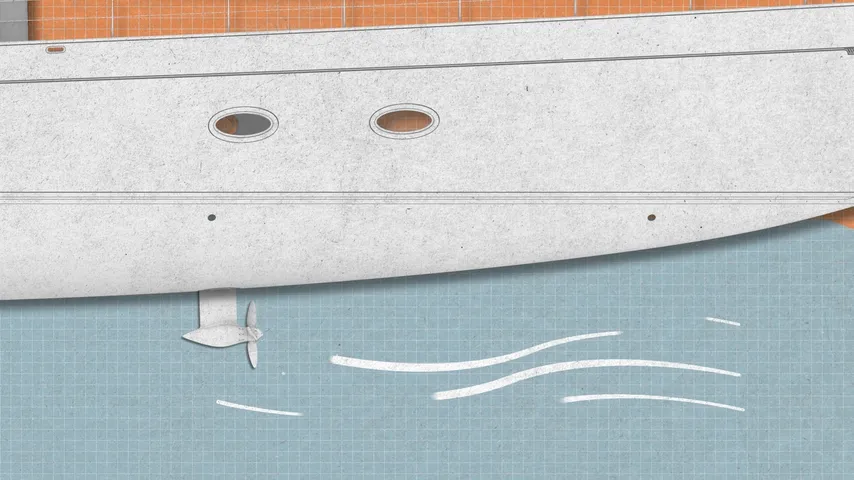
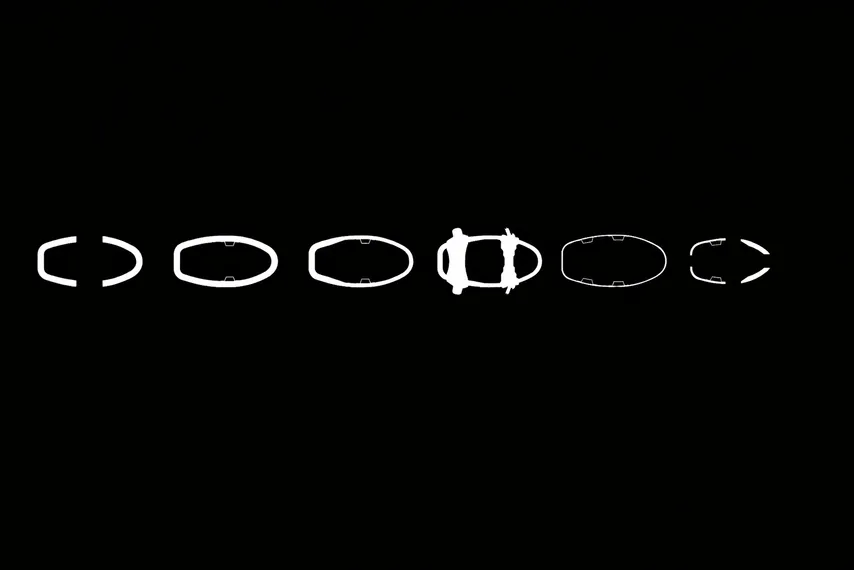
This glass was applied to the 17 oval-shaped hull ports, which are either close to or partially below the waterline. They provide natural light to cabins and interior spaces while withstanding significant pressure as well as ensuring compliance with maritime authorities.
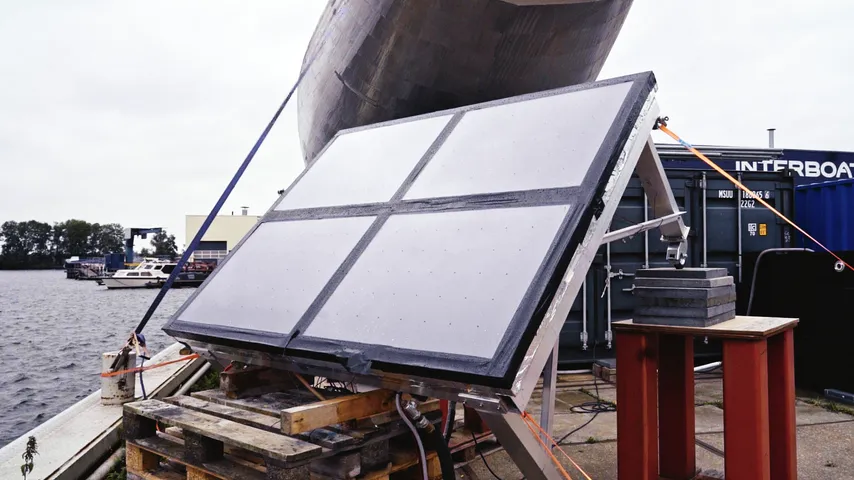
The other part of this puzzle was something that Royal-Maritiem believes had never been done at sea before: vacuum glass.
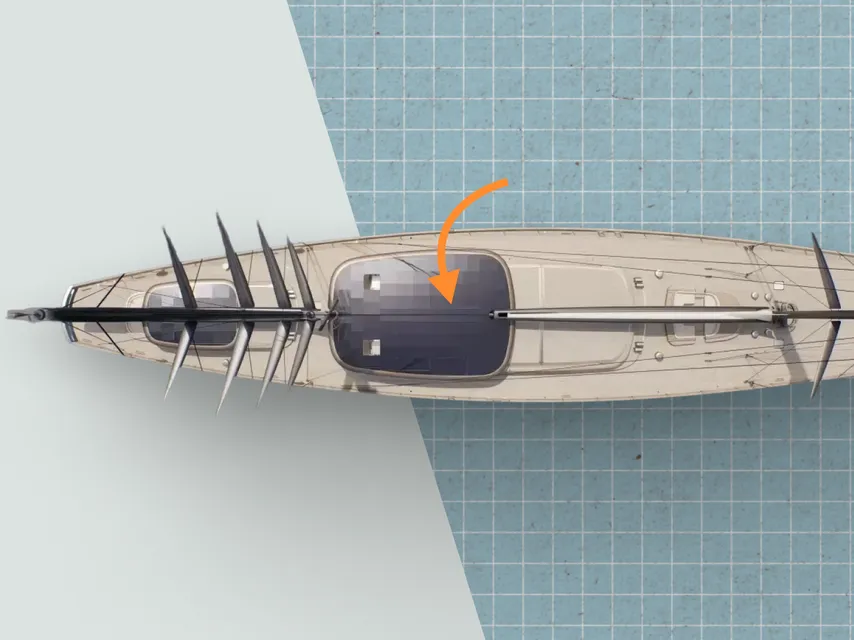
This was used in the areas where straight panels could be applied (because vacuum glass cannot curve), such as skylight weather decks. The results are extraordinary.
A window's thermal efficiency is primarily measured by its U-value, which represents the rate of heat transfer through the material. In this scale, a lower number signifies better insulation, whereas a higher value indicates that heat escapes more easily.
Standard single-pane glass is relatively inefficient, typically carrying a U-value of approximately 5 W/m²K. In contrast, modern double glazing significantly enhances energy retention, achieving values as low as 1.2 W/m²K and preventing substantial energy loss during temperature extremes.
This particular vacuum-sealed glass Royal-Maritiem used can bring this down to as low as 0.5 W/m²K.
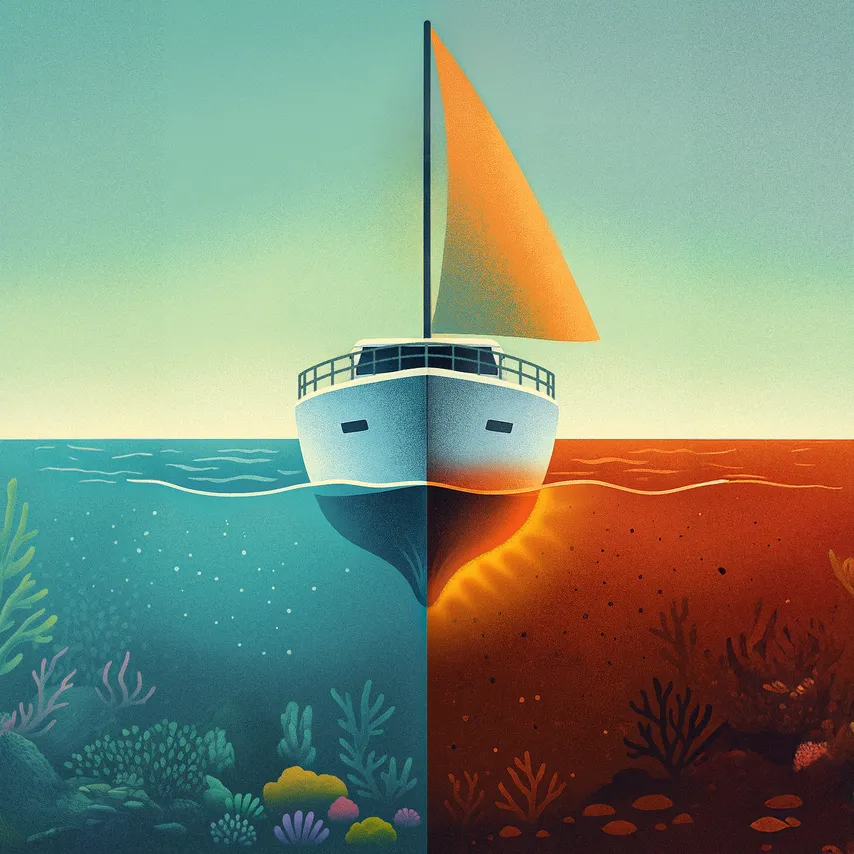
This means there’s less heat getting in from the blazing sun outside, and less cool air being lost from inside the vessel. As a bonus, the vacuum layer cuts noise transmission by up to 36 dB, transforming comfort levels inside the yacht.
To find out how sailing yacht Zero and Royal-Maritiem rethought maritime glazing and potentially ushered in a new era for the industry, make sure to watch the video below: