How these experimental PVT panels will harvest heat at sea
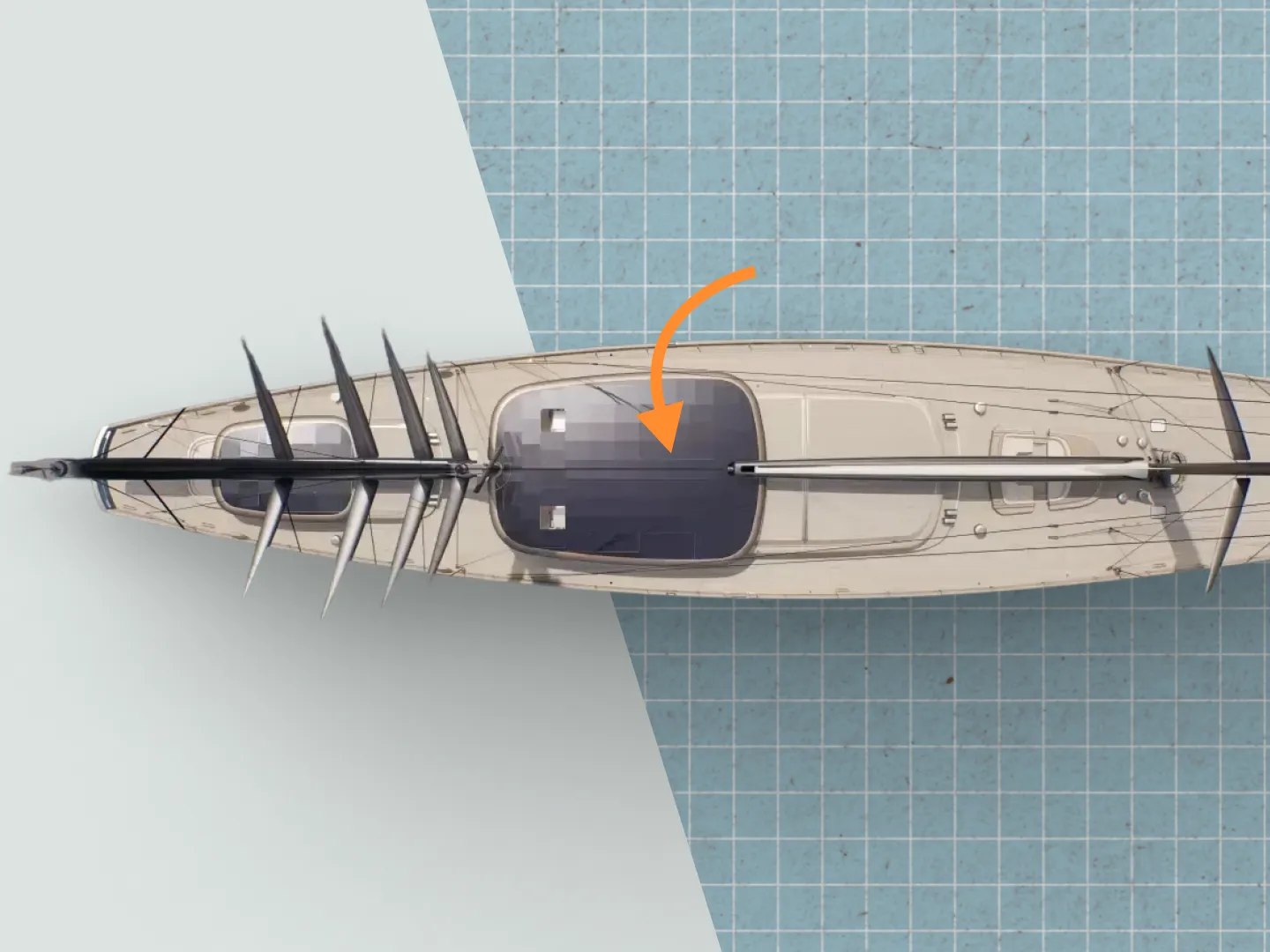
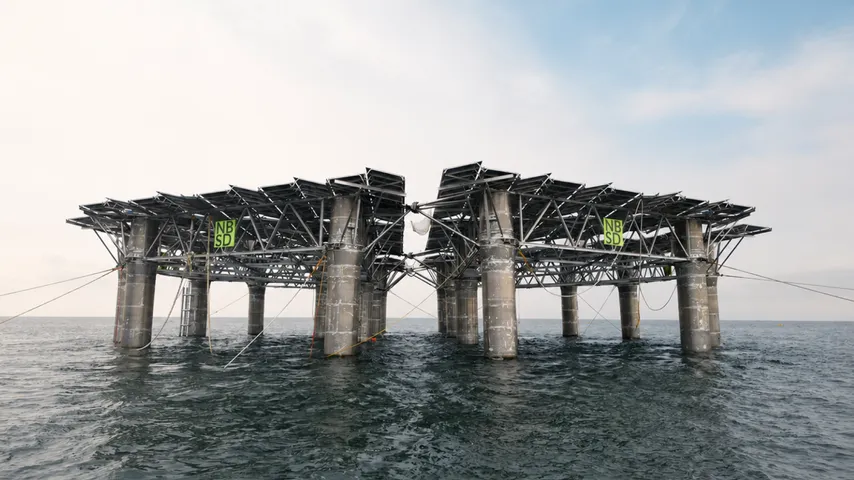
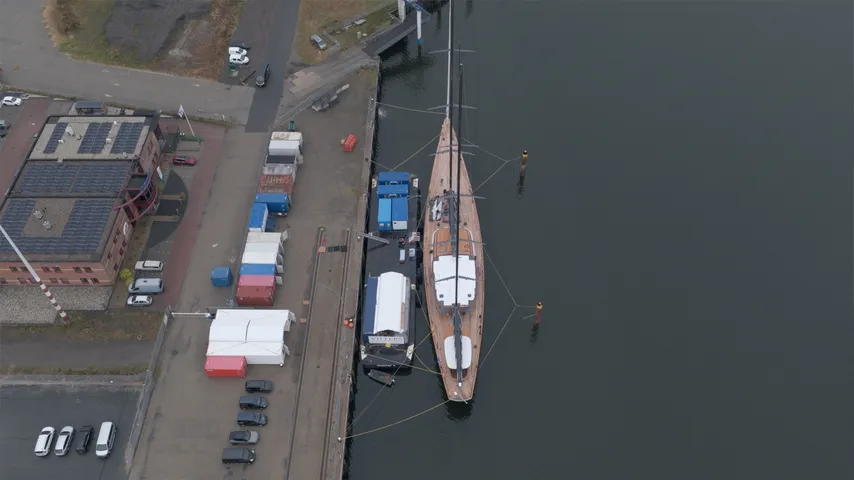
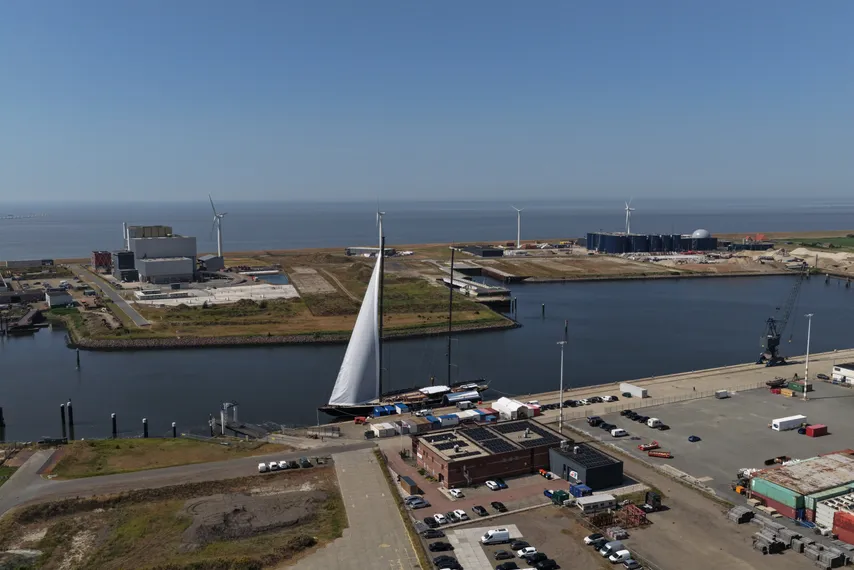
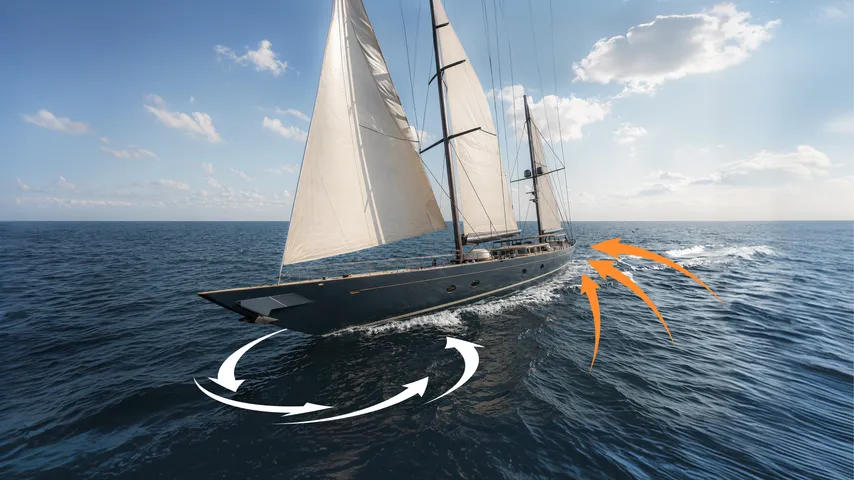
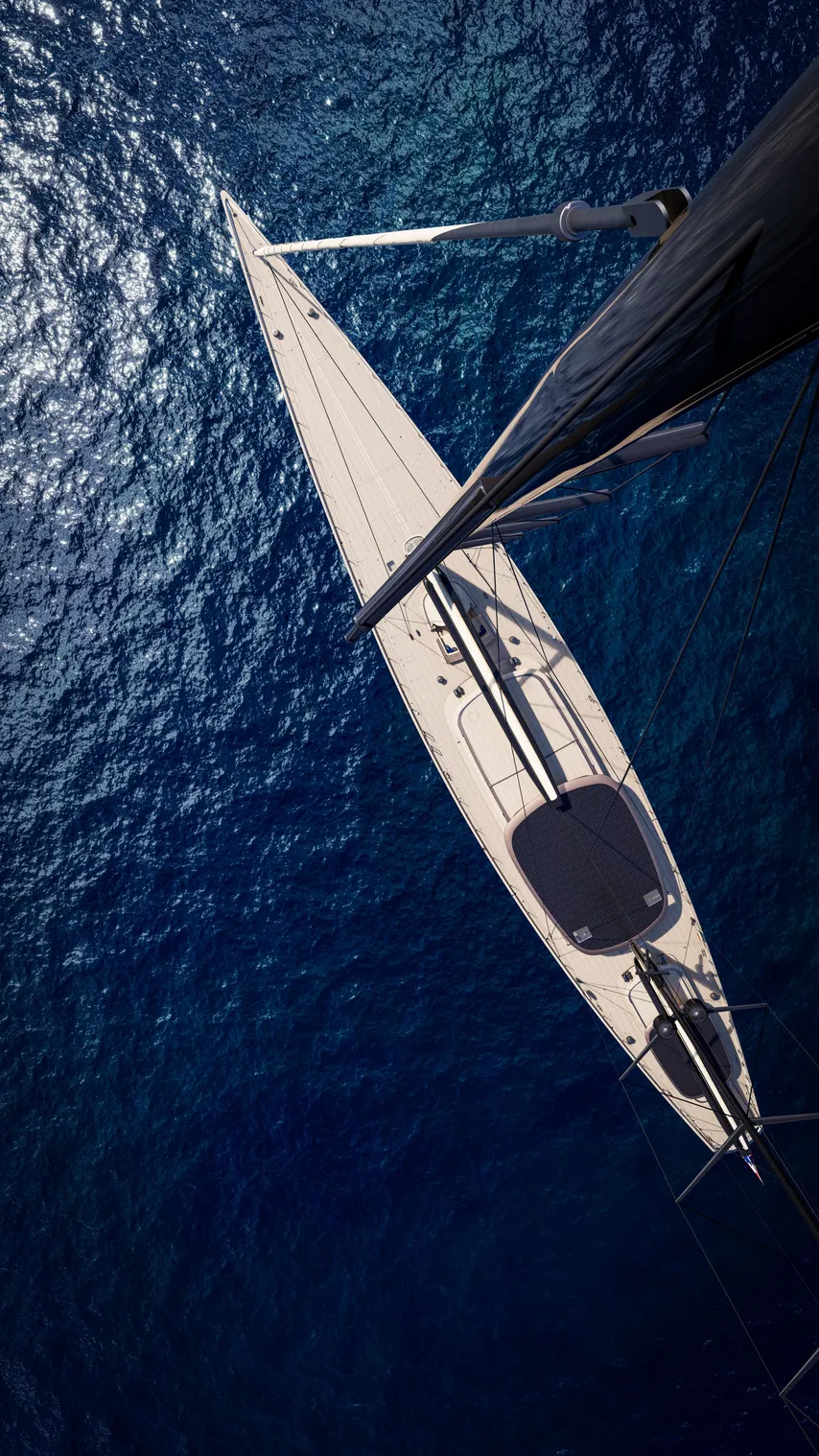
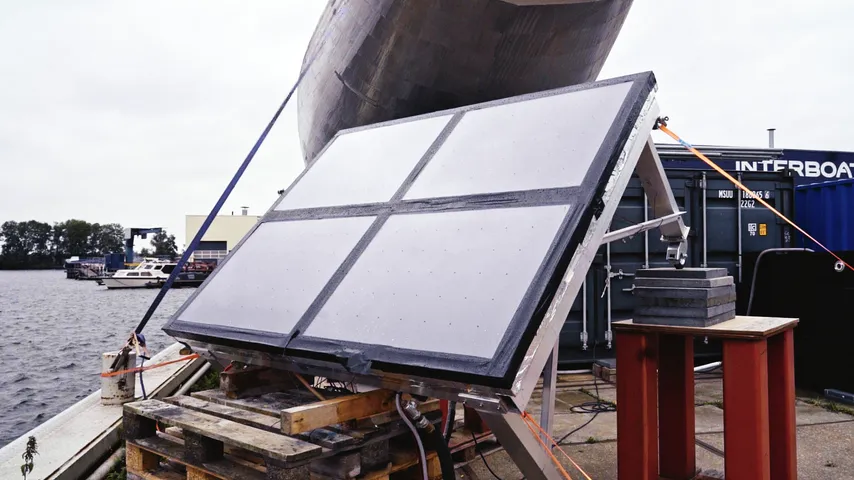
Photovoltaic-Thermal (PVT) panels are almost non-existent in the marine industry, despite their perfect suitability for maximising solar energy harvesting from limited spaces. So the team behind sailing yacht Zero, the world’s first fossil-fuel-free, 70 m yacht, is out to prove that these systems are just as at home on a coachroof of a boat as they are on an apartment building.
The reason they aren’t typically used at sea is due to the systems engineering required to harvest, store, and re-use heat is thought to be too complex for the energy they provide. It’s much easier to simply run a generator and heat a boiler using conventional resistance heaters.
But on sailing yacht Zero there are no generators.
So the team had to switch their mindset to viewing heat as a valuable energy resource, rather than something to be thrown overboard with the cooling water. This meant they turned their attention to the 100 square metres of space they had available for solar energy harvesting.
But, of course, there’s a catch. The electrical output of the photovoltaic cells reduces as the temperature of the whole panel increases. But the hotter the temperature of the panel, the higher the thermal output.
So the team at Mito Solar had their work cut out for them to engineer efficient photovoltaic cells into a high-temperature, vacuum-insulated environment tough enough to thrive at sea.
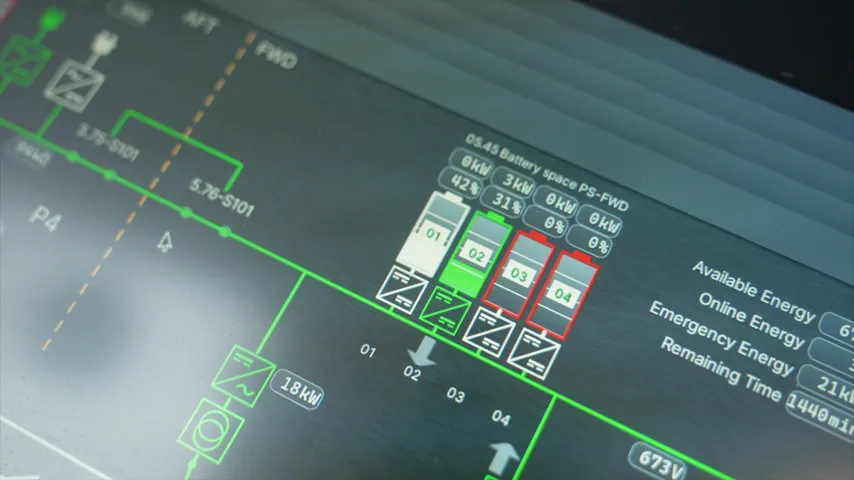
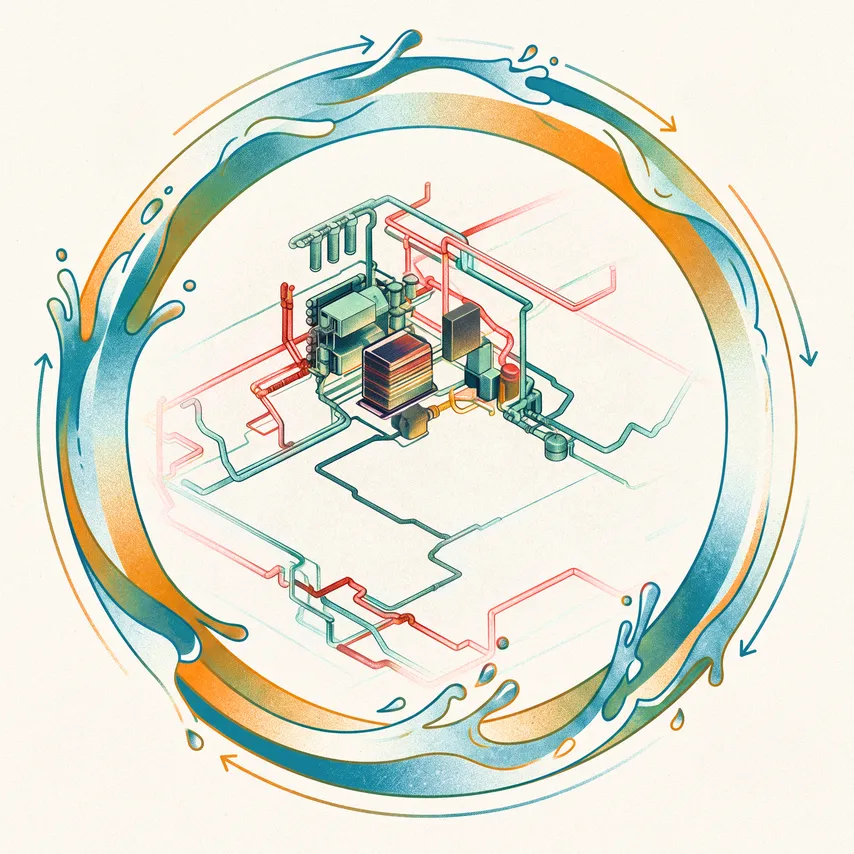
The electrical energy from the PVT array will be stored in the yacht’s 5 MWh battery bank, and the thermal energy transferred to a fluid and distributed to a number of other systems, like phase change heat storage tanks — and even an absorption chiller. This is so it can be used not just for domestic heating, but also for space cooling.
Sailing yacht Zero also has thermal harvesting circuitry to capture heat from the DC propulsion motors, but the sun is the primary energy source when the vessel is at anchor, so extracting every drop of energy from the available roof space was a top priority.
And if the team can prove that this technology can withstand the rigours of ocean life? Well, the doors would open for a much wider scope of marine applications which could help decarbonise the industry.