Using optical fibres to measure mast shape in real time

Monitoring the loads and stresses on rigging and structures of a sailing yacht has become increasingly common in recent years, in particular on racing yachts and superyachts. The advantages are two-fold. For racing yachts, knowing what’s happening with spars can be critical in fine-tuning performance, with standing and running rigging used to optimise mast shape for the wind and sea conditions. Similarly, a comprehensive sensor array can provide invaluable insight into the flex of appendages such as foils which in turn can be used to derive key information like the amount of lift they are producing.
The second advantage is gaining a more fundamental understanding of the loads on various aspects of the mast, rigging and sheets which, particularly in heavy air sailing, can be pushed close to or beyond their limits if not closely monitored. It is especially relevant for superyachts, where rigging and sheets can carry huge loads – in the regions of tens of tonnes or more – and where crew can be less connected to the ‘feel’ of what’s going on because sheets, running rigging, halyards and adjustable stays are controlled via hugely powerful hydraulic or electric winches and rams.
Traditionally, loads are monitored using a combination of in-line strain gauges and load-sensing pins at key points in the rigging. The data those sensors collect are then interpreted by onboard processors which measure the load cases against preset models or limits, with a visual readout on helm displays giving crew an easy graphical representation of how close to max load any given element of the rig is at any given moment.
But what if you wanted not just to make sure you weren’t exceeding the maximum recommended loading, but also wanted to understand the mast shape and its continuous movement over time? This would not only alert you to when things needed to be eased off, but could also help you adjust the rig on the fly to maximise sailing performance. And if the yacht you were sailing was dependent on that performance to generate power, then an advanced understanding of what was happening in the rig could be crucial to ensuring optimum hydrogeneration.
Primary propulsion
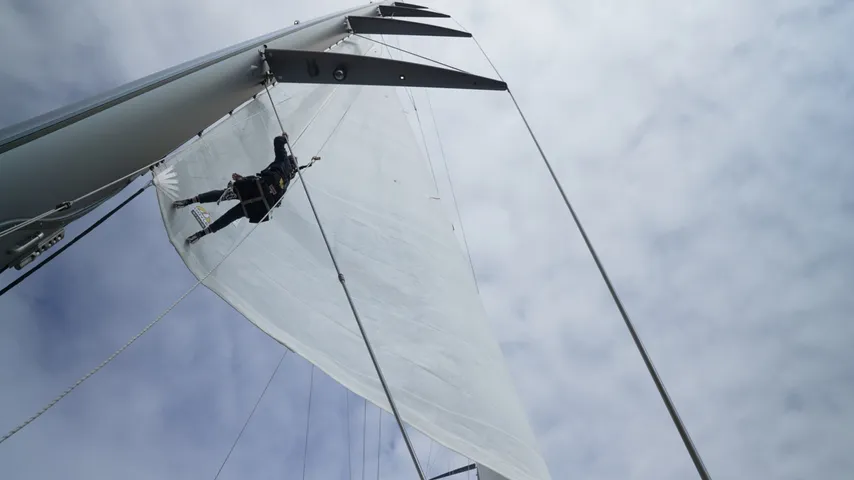
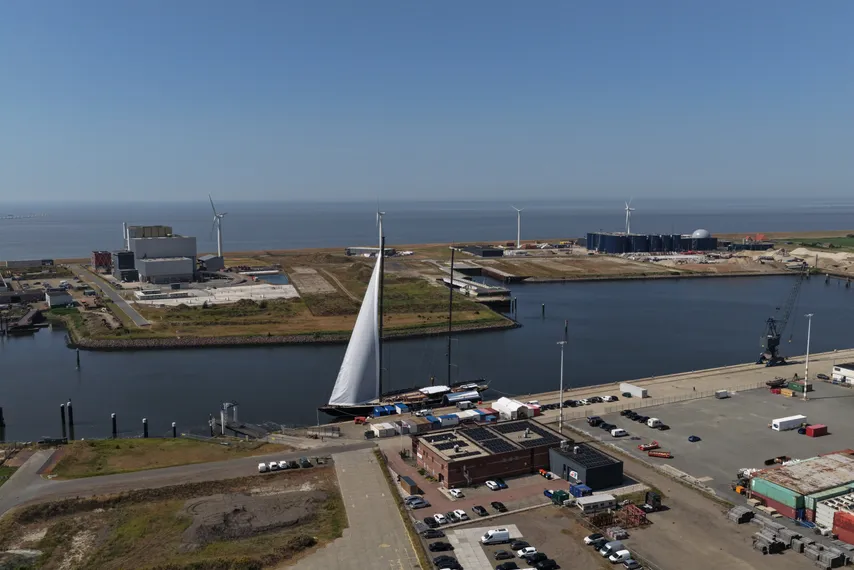
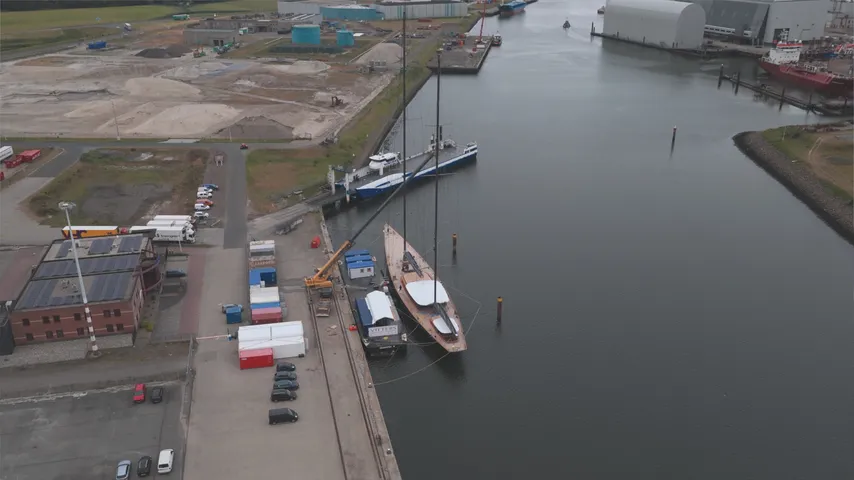
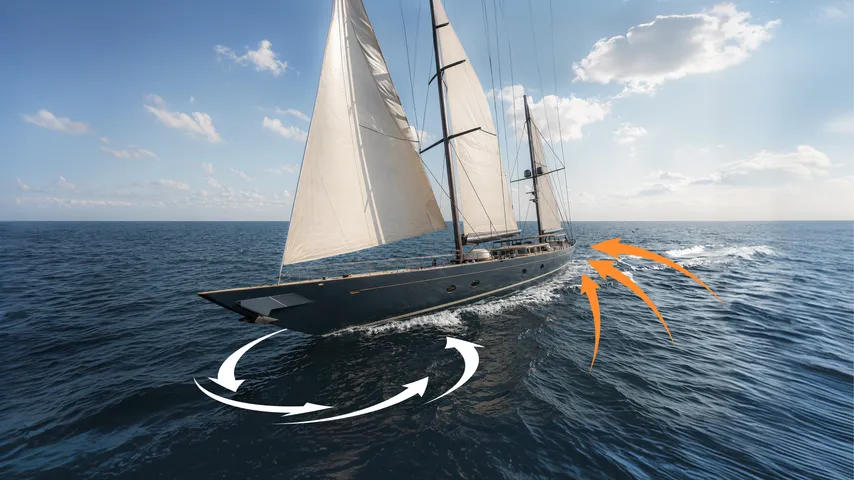
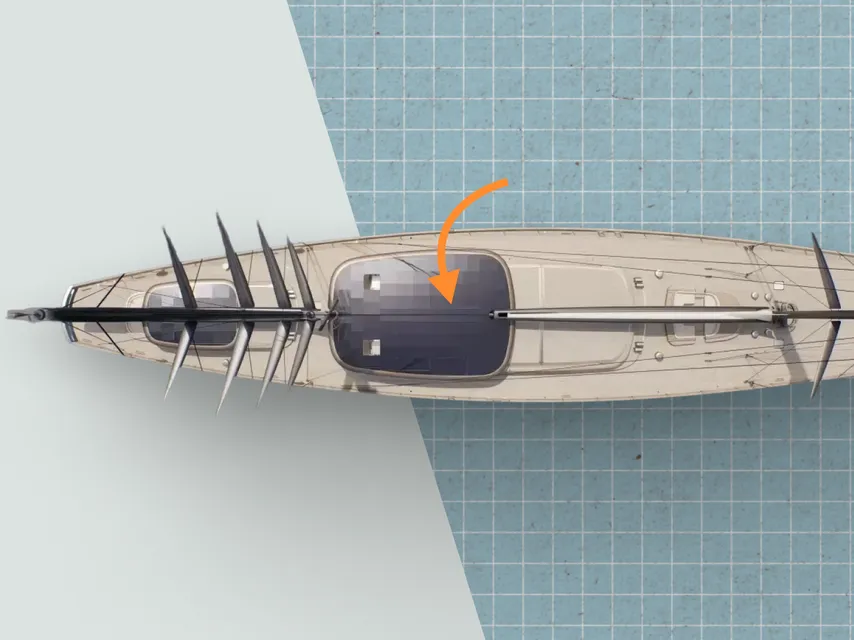
For sailing yacht Zero, the masts aren’t just there for the fun and thrill of sailing – they are actually part of the primary form of propulsion. Moreover, with hydrogeneration being the primary way Zero harvests renewable energy – to the tune of 250 kW at 16 knots of boatspeed – mast shape and loading are key parameters for safe and efficient operations.
“Zero was always going to be an innovation-driven project,” says James Wilkinson, Sales & Strategy Director at Carbo-Link, the company building the masts, spars and rigging for the yacht. “She’s certainly the first sailing boat to have full Lloyd’s Register notation as a certification requirement, because she’s the first sailing boat to be classed as sail-driven and motor-assisted rather than having motors or engines listed as the primary form of propulsion. That has been challenging because the requirements from Lloyd’s Register are so incredibly strict at this level of certification.”
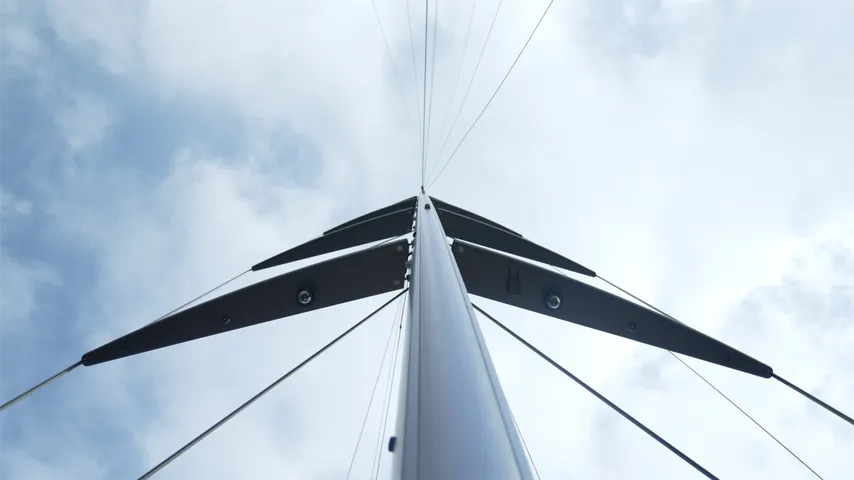
To better understand what is happening in the rig, and therefore to help the crew achieve better sail trim while staying within safe sailing parameters, the project team considered a number of options before deciding on incorporating a system that can measure mast deformation using fibre optics built into the very structure of the masts.
It’s a technique that began to be adopted by non-marine industries and in the medical field in the early 2000s and was subsequently adapted to marine applications. Notably, Team Alinghi – the Swiss America’s Cup team – developed the technology to measure loading and deformation across various aspects of the vertical and lateral rig structure of Alinghi 5, their 40-metre, wingsail-powered catamaran that was built for the 2010 America’s Cup Deed of Gift match. It has since been adopted by a handful of elite yacht racing teams and leading-edge yacht and superyacht builders where extreme performance and endurance combine with challenging high-load cases across rig, foils, appendages and composite structures.

Optical structures
The system employs strands of optical fibre into which short structures called fibre Bragg gratings (FBG) are inscribed, and it is these FBGs – each one a few millimetres long – that serve as the sensors. So how do they work to measure mast deformation?
An FBG is nothing more than a permanent periodic refractive index change within the optical fibre. “Without going into quantum mechanics, we say that light is a wave. Waves reflect on correspondingly structured structures,” explains Boudewijn van Groos, tech lead and software developer for the sailing yacht Zero project. “A grating is essentially a physical structure that reflects light of a certain wavelength while letting other wavelengths pass through. So if you propagate light into the fibre optic cable, only that one wavelength is reflected.” If the structure being measured deforms in any way, the grating itself will be stretched or contracted, and that means the specific wavelength of light it reflects – known as the Bragg wavelength – will also change.
Such a system has multiple advantages. First, it allows for multiplexing of sensors in a fibre optic strand, with multiple gratings tuned to different wavelengths giving multiple data points, and the FBGs can also be used to monitor temperature if they are not mechanically coupled to the structure. Second, optical fibres are flexible, lightweight, resilient in the saltwater environment, immune to electromagnetic interference, and don’t need power. Moreover, they can be easily laminated into composite structures without affecting that structure.
It’s a system that proved ideal for the requirements of the sailing yacht Zero project. “I’d had a call with Dr Andy Winistoerfer and Dr Arne Gulzow, CEO & founding partner, and Head of Sales & Project management respectively at Carbo-Link who are building the masts and rigging for Zero, and they showed me a presentation about using fibre optics in the masts and rigging to measure mast deformation, or mast shape,” says Van Groos. “We discussed various options, including optical distributed sensor interrogators (ODiSi), and decided the primary way to do this would be through FBGs.” In addition, Carbo-Link had contracted fibre optics specialist Antoine Sigg – whose experience includes developing the sensor solutions for the America’s Cup teams Artemis, American Magic and Alinghi Red Bull Racing – to work on the project.
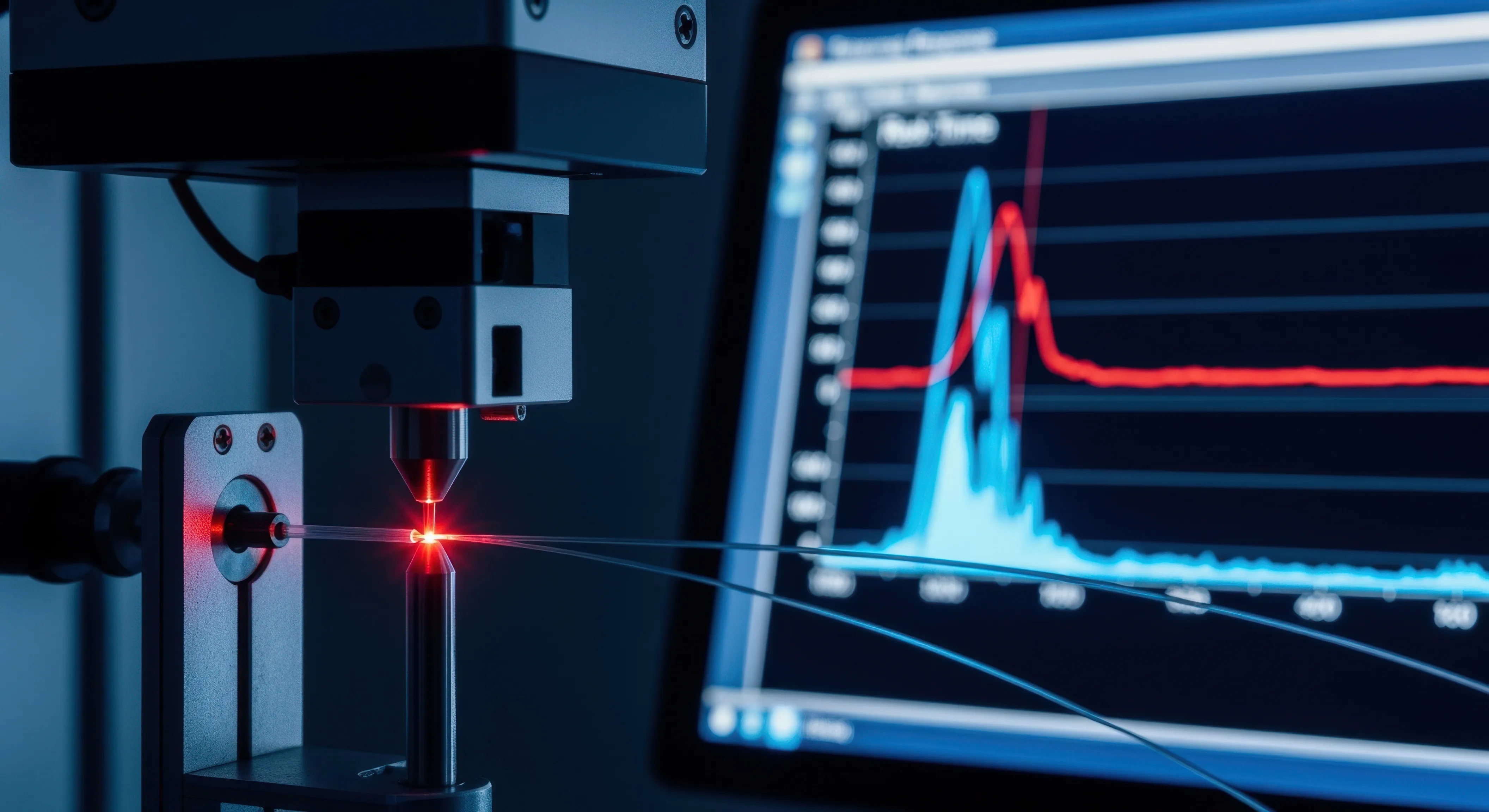
The system works by firing laser pulses with a very narrow bandwidth into the optical fibre and then sweeping the wavelength of each pulse. The intensity of the return signal is then measured. “You tie that back to the wavelength of the pulse you sent out,” Van Groos continues, “and then you know the spectrum, and you can do the maths to calculate the reflected peaks – the Bragg wavelengths, in other words.”
Data handling
All this data is captured by a black box called an interrogator. The interrogator has 16 channels, of which – for Zero – 12 are used for measurement including both strain and temperature. Each channel can be split into multiple optical fibres (within limits), and each optical fibre can have multiple FBGs set to different wavelengths within it to make measurements. “The interrogator records a value that represents the actual wavelength being reflected by each FBG,” says Van Groos. “If the mast were to bend, that value would increase or decrease, and given the location of that value we can know what the mast is doing at different points along its length.”
With this, a challenge arises – data handling. Each FBG sensor returns a value, but that data needs to be analysed and translated into usable information. There’s another factor, too – temperature can affect readings independent of loading, either through optical effects or through thermal expansion, so temperature measurements need to be applied as an adjustment factor to the total deformation recorded to get the specific mechanical deformation.
The IT team developed a digital twin of the interrogator – a software version that mimics the physical black box – so they could start to build code that can read the data being produced, with the ultimate goal of presenting captain and crew with visual cues or warnings either of total loading on the rig or of specific mast shape at any given time.
The amount of data is considerable. While Alinghi 5 harvested data at 10 hertz, the plan on Zero is to harvest information from 70 or 80 data points at a target frequency of 100 hertz – equivalent to up to 8,000 data points per second. “There’s a lot of data being produced, and we don’t necessarily want that much all the time,” Van Groos confirms. “So this is something that needs to be squashed down into aggregates, but you also want to have all the data if, for example, there’s a collision or if someone breaks the mast, and that’s a challenge. There’s also the question of performance dealing with all that data without loading the boat up with power-hungry CPUs.” The team is using Rust for performance intensity applications, a low-level programming language, and the code is already available for others to apply or adapt to their own projects. They have also been in talks with a producer of processing software – Bravo Systems – with a view to bringing that existing system on board.
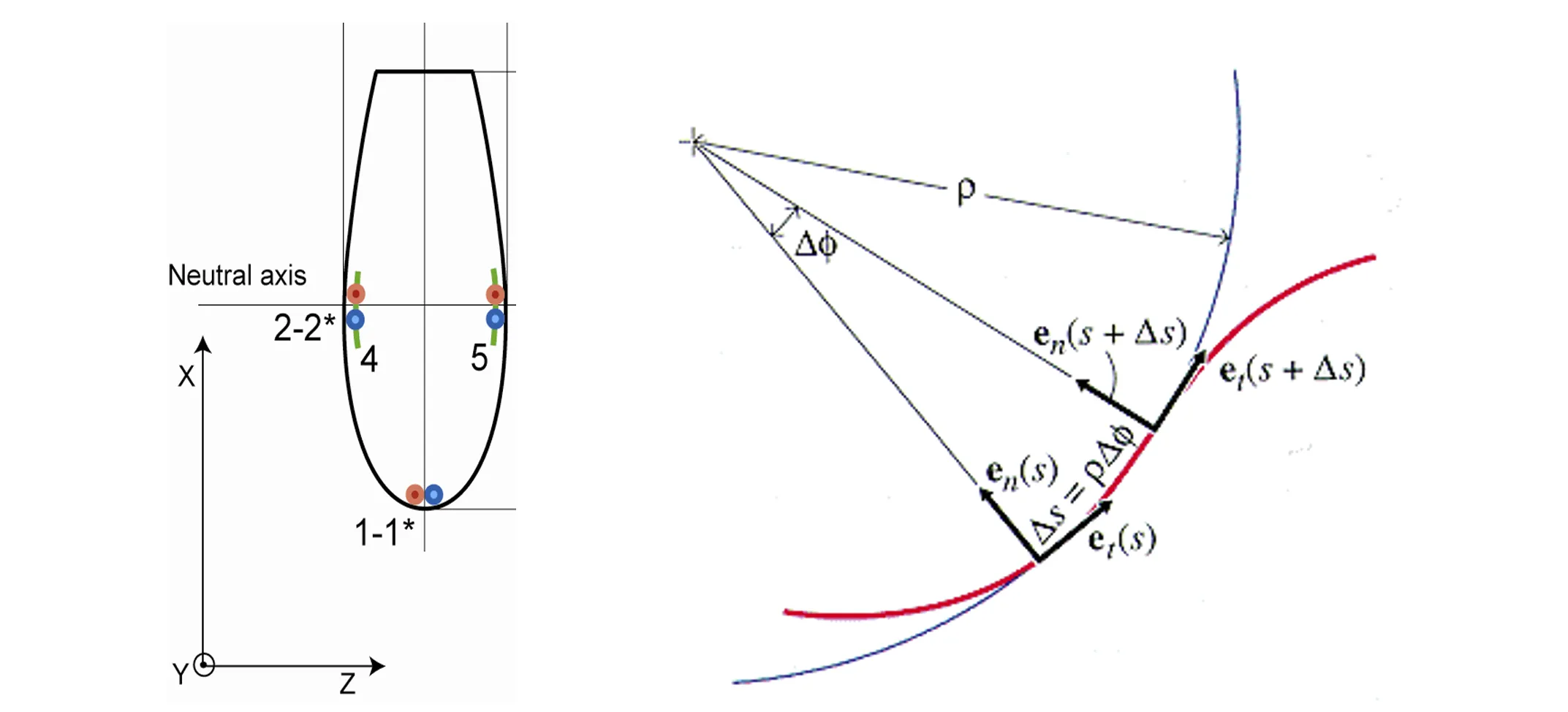
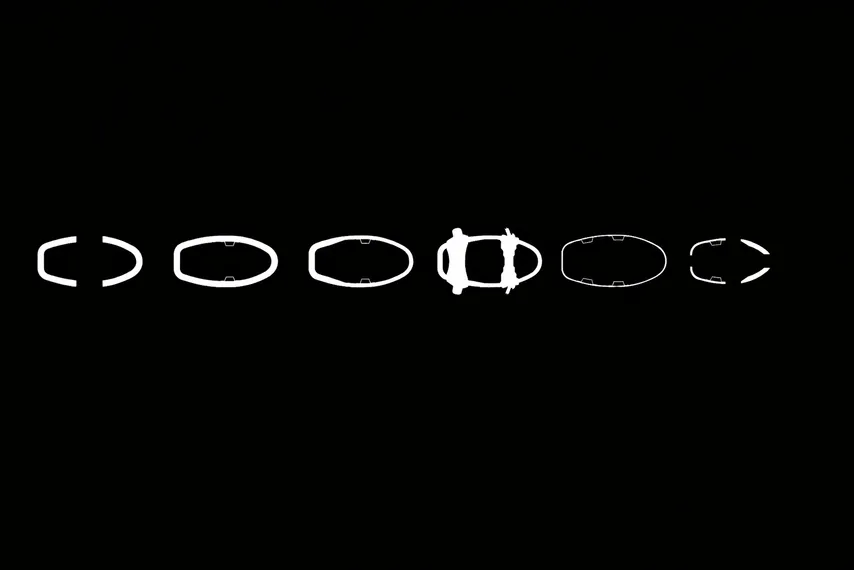
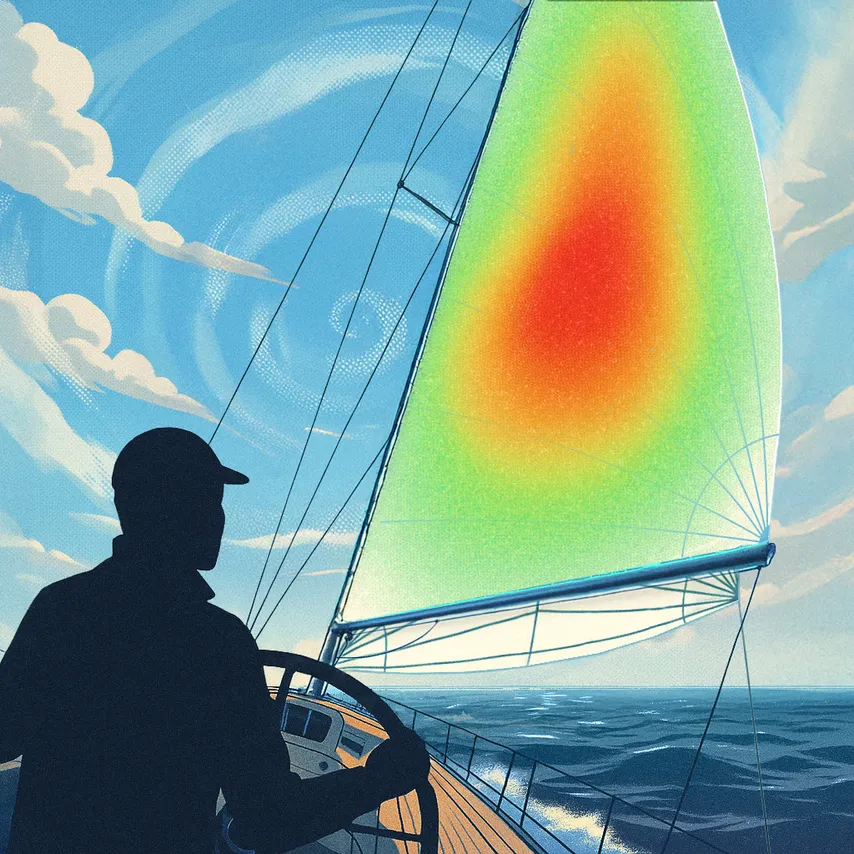
For the IT team, the final consideration is how to use the information the system can provide. “It’s an open question,” says Van Groos. “You can use it to calculate the actual loads in the mast far more precisely than you could do from your load pins, so you could use it just like an alarm if you overshoot the total load allowed in the mast. Or we could use the yacht’s app we’re working on to show the captain and crew the exact deformation numbers or a graphical representation of the mast deformation because while mast shape can help with sail trim, mast deformation also puts a limit on how much or how hard you can trim the sails.”
Interestingly, the work the team has done on the mast deformation system has shown that the technology has other applications in the superyacht and wider marine sectors, particularly given the increasing necessity to design and engineer systems that facilitate energy balance on board. Indeed, Van Groos notes that FBGs would have been a good solution for monitoring temperature in Zero’s heat recovery system. “You can get really high-accuracy temperature measurements in a relatively simple way – by wiring a single fibre through the whole thing – rather than the current solution which uses 50 temperature probes and a lot of wires,” he concludes. “It’s definitely something to consider on other projects.”