Clippership’s sailing ‘robotaxis’ could make ocean freight more sustainable
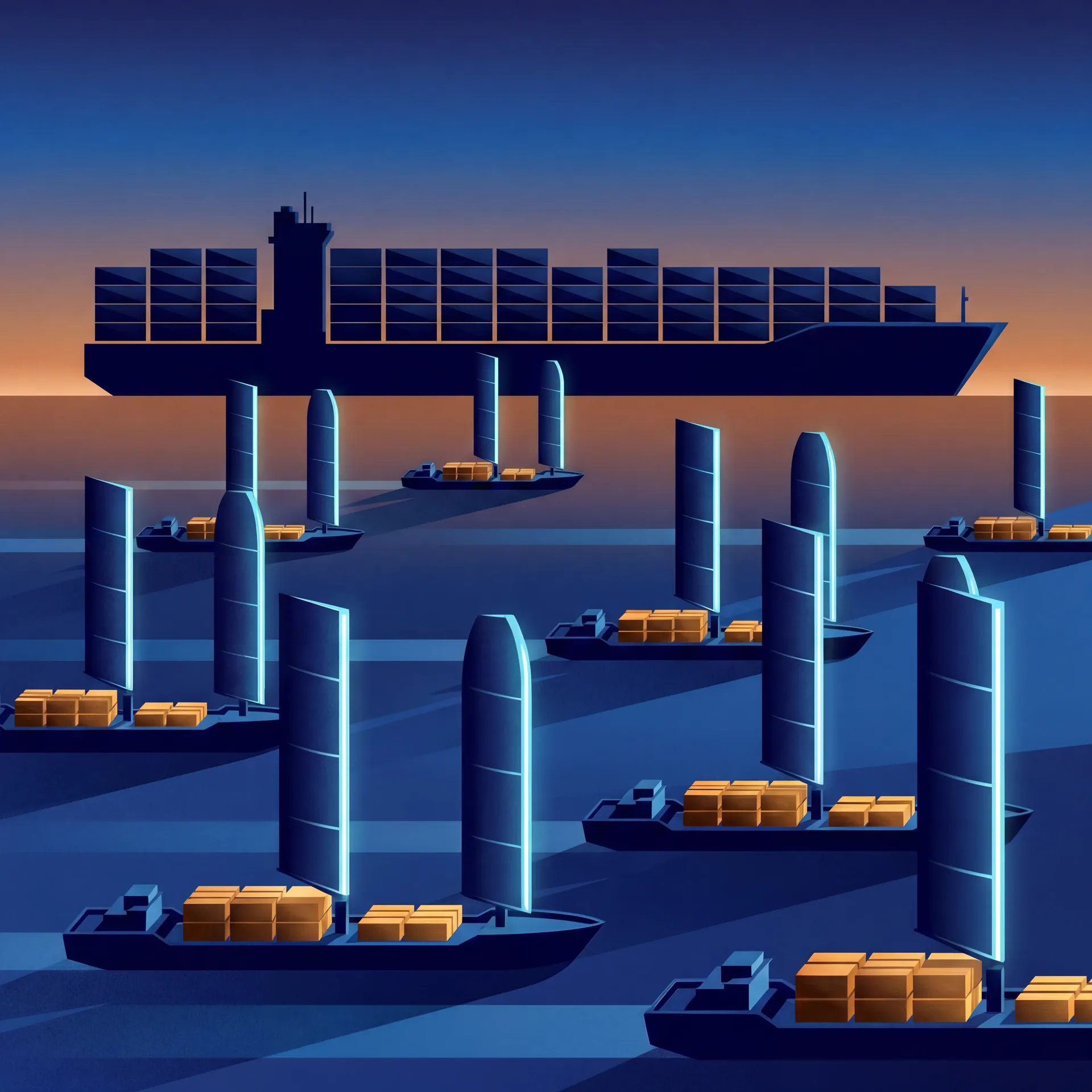
The search for green fuels that can power massive container ships dominates the race to decarbonise international trade. Clippership, a Californian maritime startup, is taking a different route, though. The company wants to replace the giants of the sea with a fleet of small, autonomous, wind-powered vessels.
Clippership aims to remove three of the industry’s highest costs: fuel, crew, and infrastructure. In their place is a decentralised, point-to-point logistics network for compact, low-emission ships. The startup would then operate economically between shallow-water ports that are closer to where products are made and consumed.
The shift has a significant impact on emissions. A standard container ship with a 10,000 TEU (twenty-foot equivalent units) capacity emits roughly 15 grams of CO₂ per ton-kilometre. Clippership is targeting around 1 to 2 grams with its initial architecture, and expects that to fall further as the technology matures.
Nico Cymbalist, the company’s CEO and founder, expects the strategy to cut traditional shipping costs by 50 %. Sustainability will then shift from a charitable contribution to a byproduct of a more efficient and affordable system.
"People aren't going to buy freight just because it's sustainable,” Nico Cymbalist, Clippership's CEO, tells Foundation⁰. “We're treating it almost as an afterthought to the customer; what they’re getting is fast service that’s cheap."
Cymbalist, a former engineer for Tesla and Mercedes, named the company after the legendary 19th-century clipper ships, the high-tech, high-speed cargo vessels of their era. He wants to replicate the innovative efficiency of those seacraft to transport cargo more sustainably.
Like their namesakes, the modern Clippership vessels harness wind power to slash fuel costs and carbon emissions. Unlike their predecessors, they’re also designed to eventually operate without a crew, allowing them to navigate between smaller ports that traditional deepwater container ships can’t reach.
From buses to robotaxis
Today’s large shipping vessels can only dock at a handful of capital-intensive deep-water ports, which creates systemic bottlenecks.
Major hubs are vulnerable to slot shortages, labour strikes, equipment failures, and adverse weather. When these disruptions hit, the surrounding infrastructure must absorb sudden surges of cargo that often exceed local capacity, forcing goods into inefficient, circuitous journeys.
These massive ports are also not always conveniently located. Cymbalist points to the example of France, which produces many of its exports in the southwest. “But none of it ships out of the southwest coast,” he says. “It all goes up to Le Havre by truck — 500 kilometres. All that is cost and time."
He compares the system to a bus route. “You need to get to the bus stop. You then need to sit on the bus while it's making all its stops. And when you get off, you still have to reach your final destination.”
Clippership’s alternative, he continues, is closer to a robotaxi network. Cargo is picked up near its home and delivered close to its precise destination, rather than enduring lengthy waits and slow, indirect routes.
Cymbalist argues the model changes how scale works in shipping. The cost of a single massive container ship, he says, could fund around 1,000 Clippership boats, which would allow cargo to move efficiently across a point-to-point network.
The flexibility extends to handling goods. Traditional shipping forces cargo into massive, standardised containers to fill enormous vessels, often leading to complex, uncertain consolidation or expensive air freight. Clippership instead uses pallet-based logistics, which allow smaller shipments to move directly without the delays of complex consolidation or the expense of air freight.
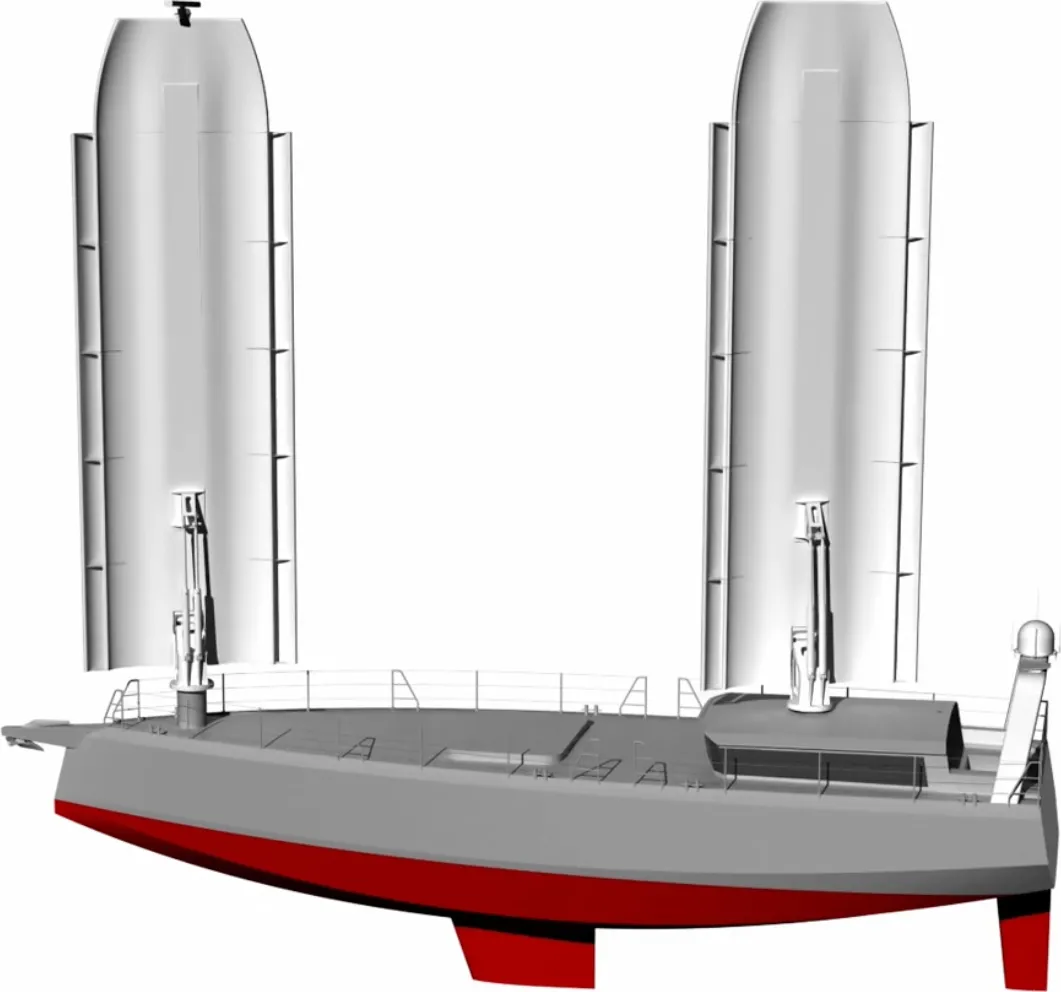
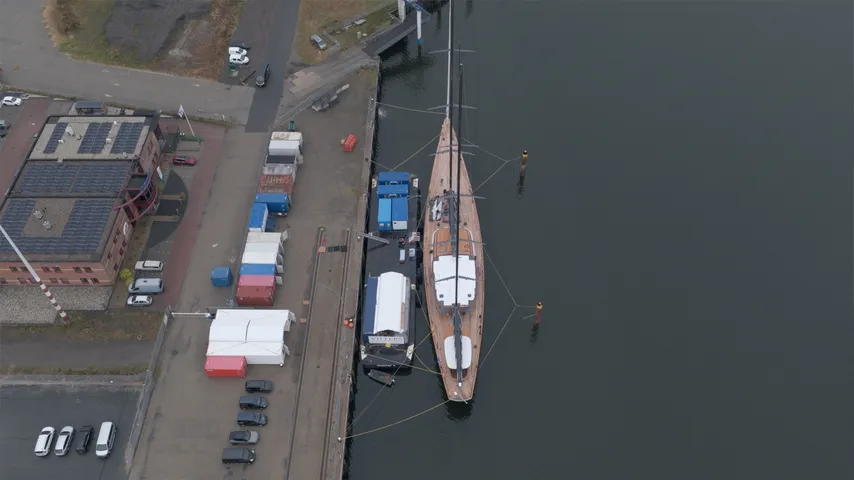
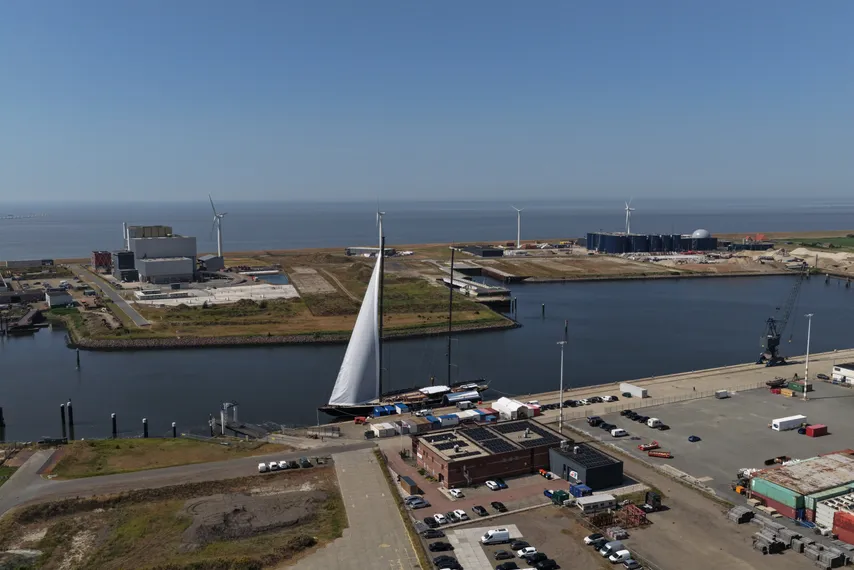
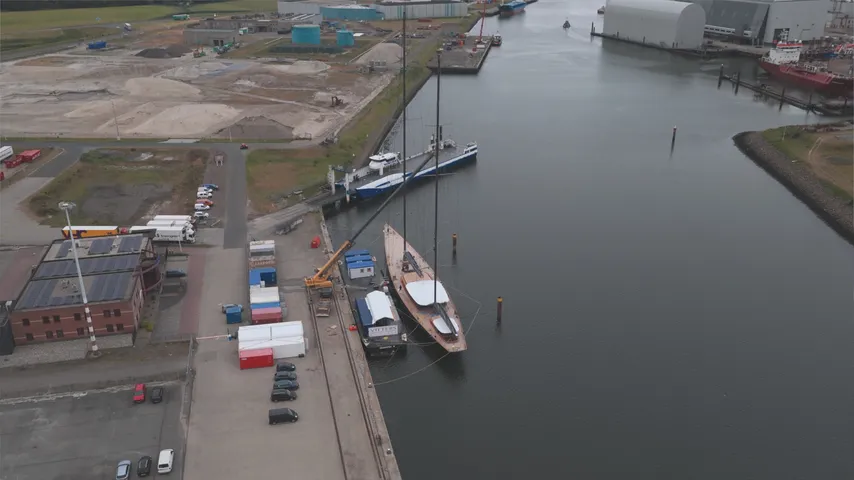
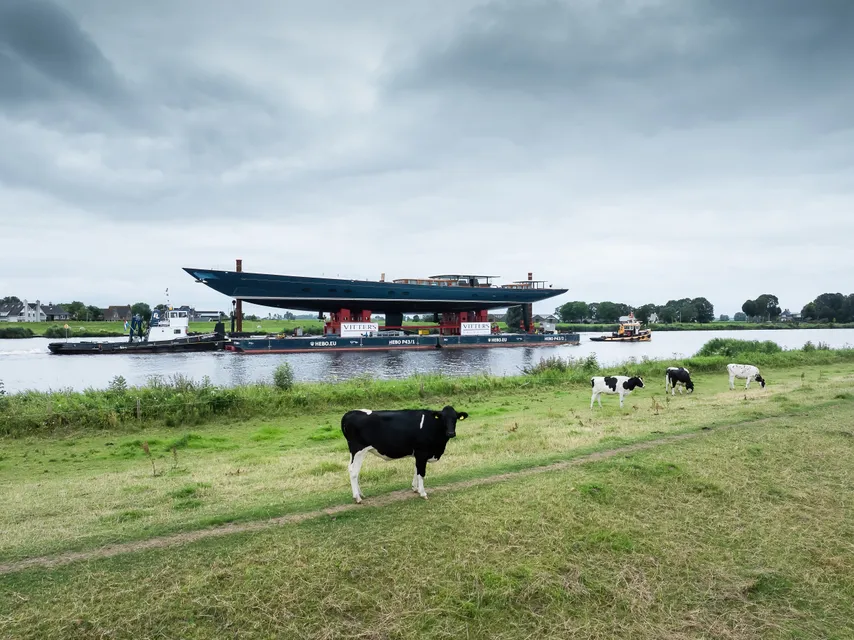
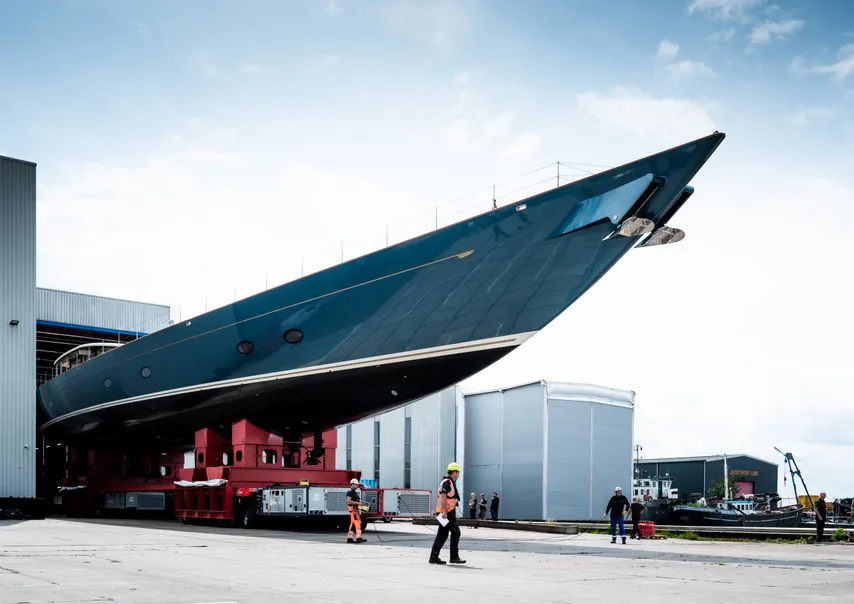
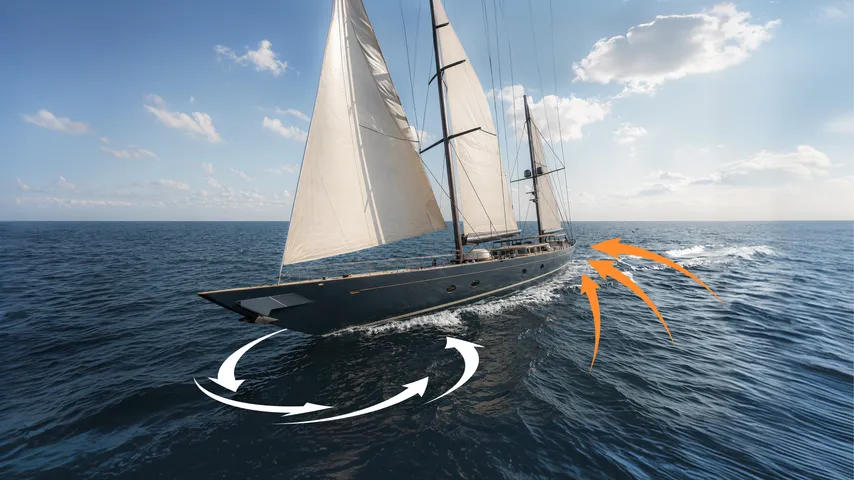
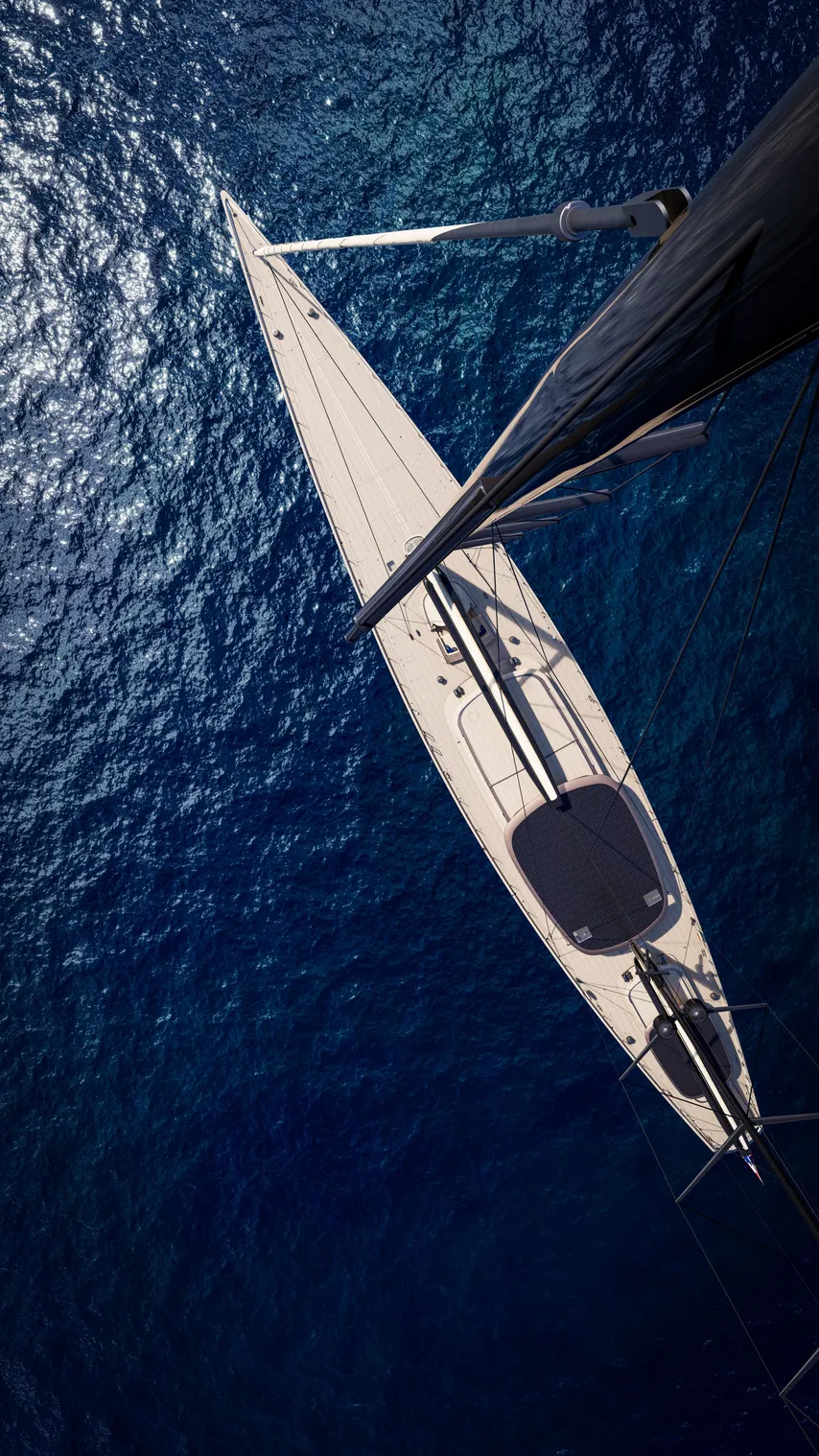
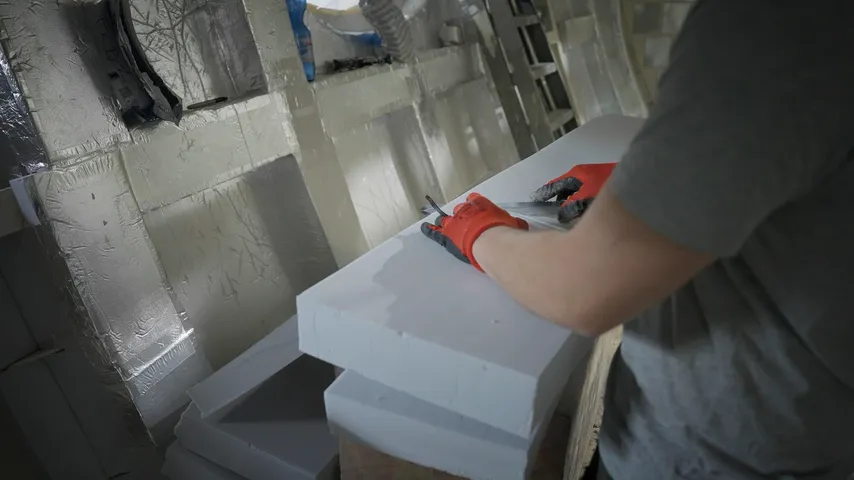
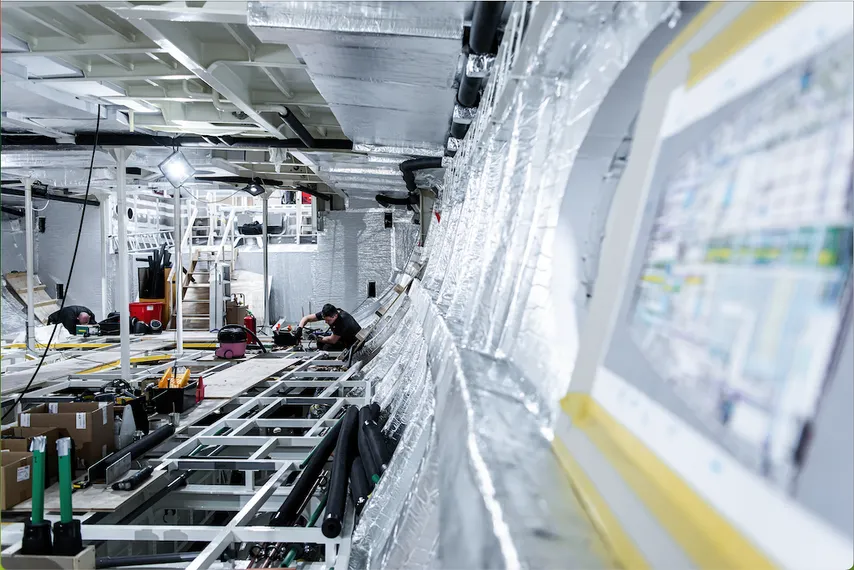
The company’s first vessel, scheduled for launch in 2026, is currently under construction in the Netherlands. At 24 metres in length and 110 tons in weight, the craft is built for unrestricted transatlantic navigation at speeds of 10 knots. With a 6.7m beam and a 3.5m draught, the boat can access shallow secondary ports and carry 75 pallets — a cargo capacity of approximately 50 tons. A larger 48-metre version, with capacity for roughly 400 pallets and automated handling, is planned for later development.
To make the shipping model viable, these vessels required a new technological approach.
A maritime stack
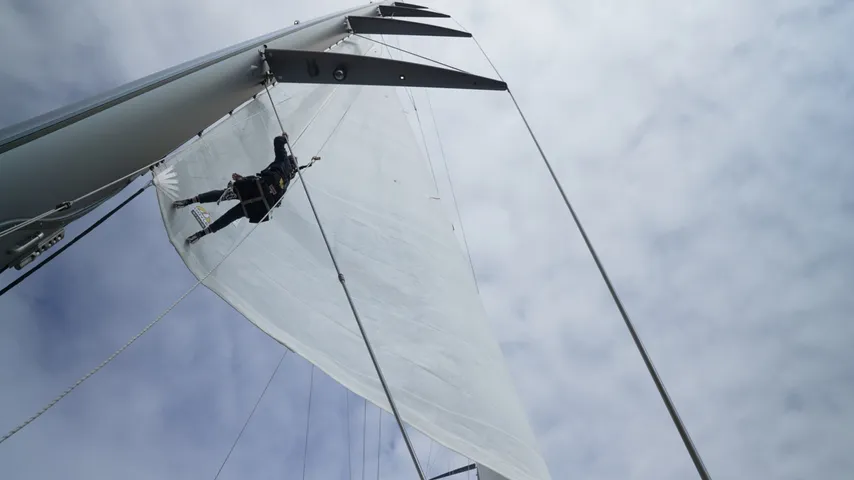
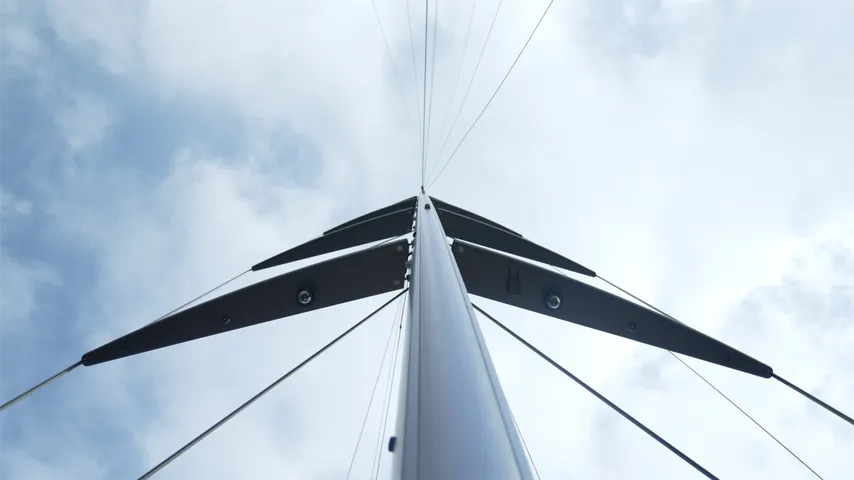
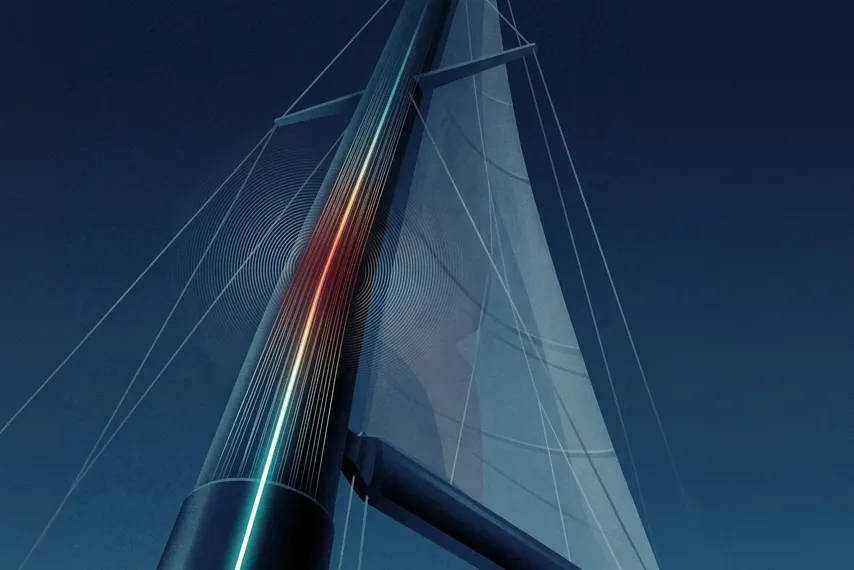
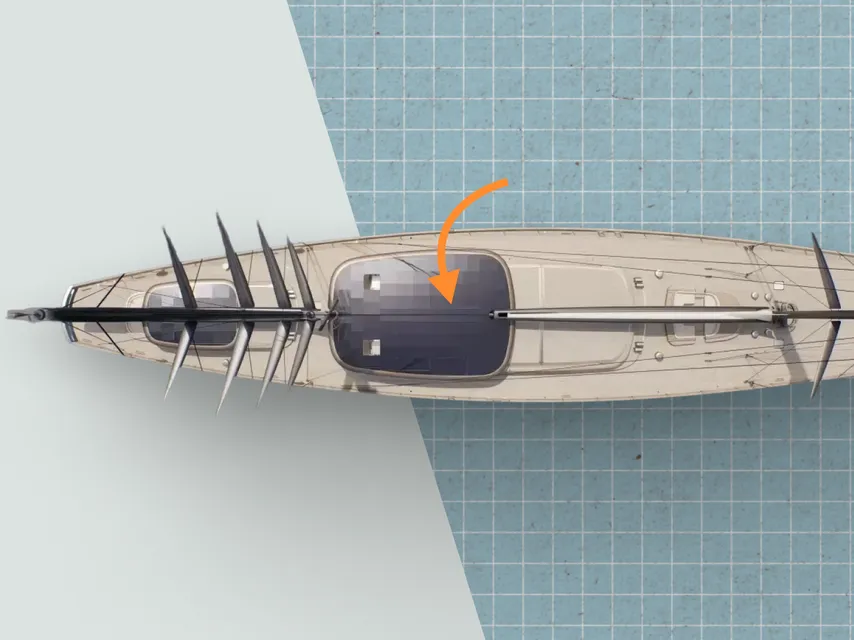
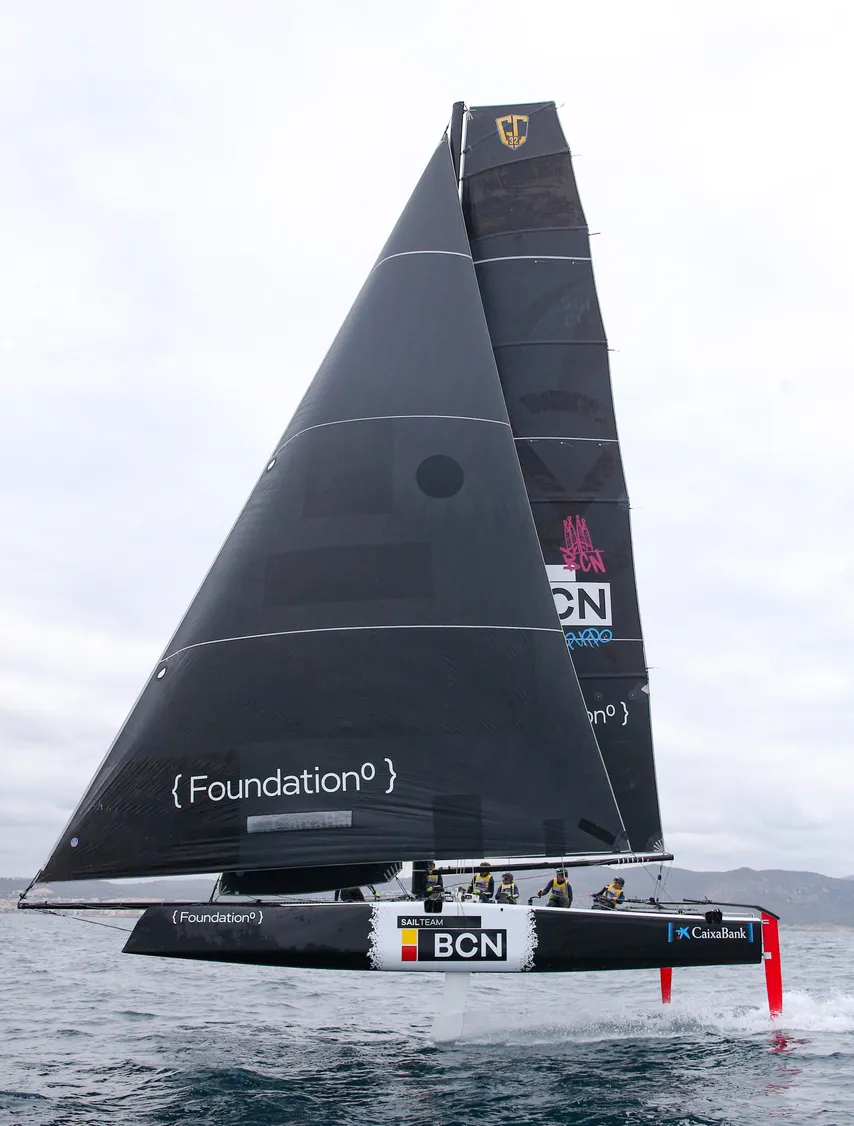
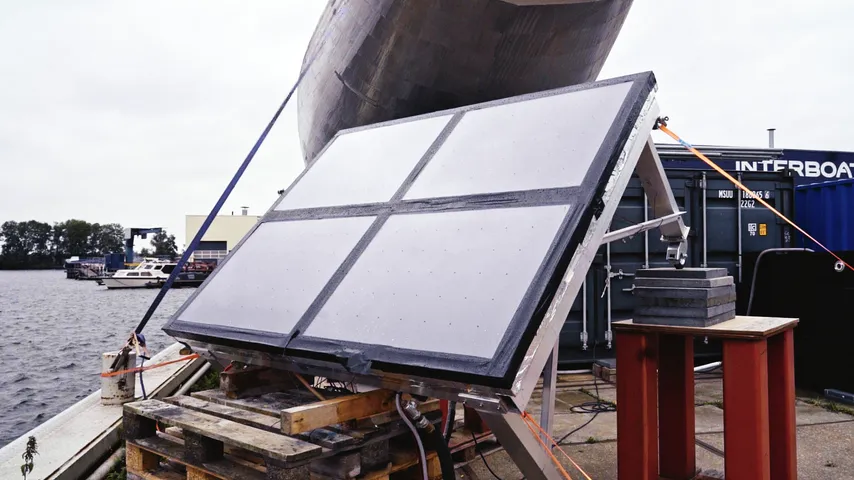
Clippership’s boats gain propulsion from foldable carbon composite wing sails derived from aerospace engineering. To maximise their lift-to-drag ratio and durability, the startup tested them in wind tunnels and computational models. According to Clippership, the resulting system is more than twice as powerful as modern fabric sails.
It’s also mechanically simple and can be stowed flat in adverse weather or in port. “It's really not that different from a deck crane,” Cymbalist says.
Energy consumption is also low. A 10 kWh battery can run the sail’s fold and slew system for roughly 24 hours, with a diesel generator providing backup power for onboard systems.
The ship’s navigation is handled by an autonomy system that’s compliant with the international Collision Regulations (COLREG). Using real-time environmental data, the system optimises routing, sail trim, and steering.
Situational awareness comes from video, high-resolution radar, forward-looking infrared (FLIR) cameras, satellite-based weather sensing, and constant sharing of automatic identification system (AIS) data. The initial voyages will also have supervisory mariners onboard.
The robotics, meanwhile, eschew black-box AI for a more conventional stack, keeping behaviour predictable and aligned with maritime regulations. “That's fairly intentional,” Cymbalist says. “You need to be able to demonstrate that it follows all the rules.”
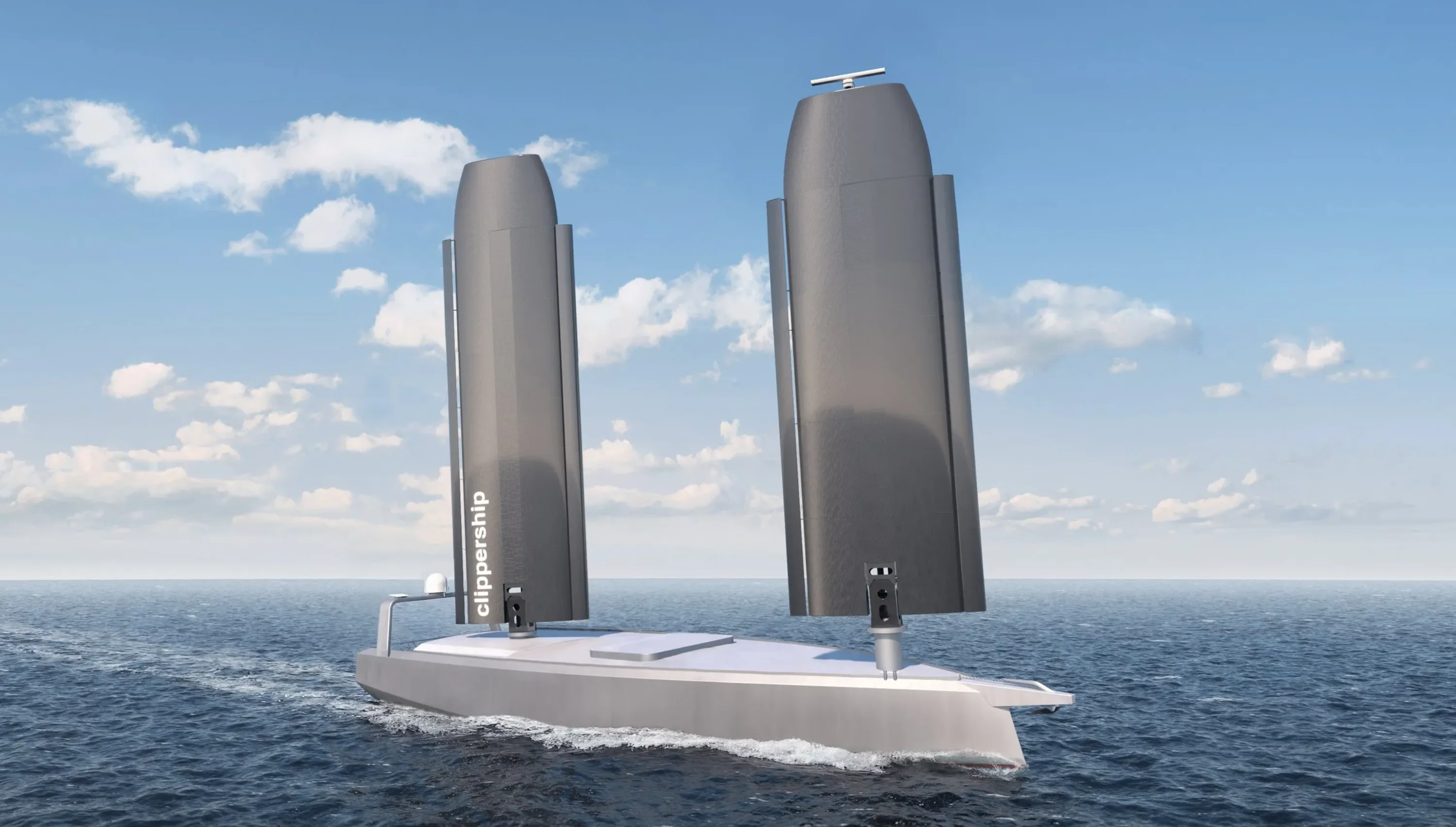
The vessels are also designed to operate with minimal onboard systems. Wind provides the primary propulsion, while a small battery and generator support onboard functions.
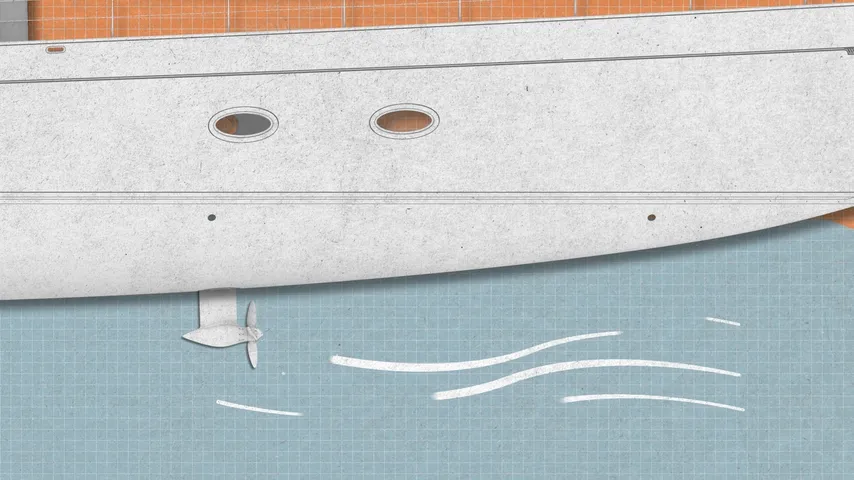
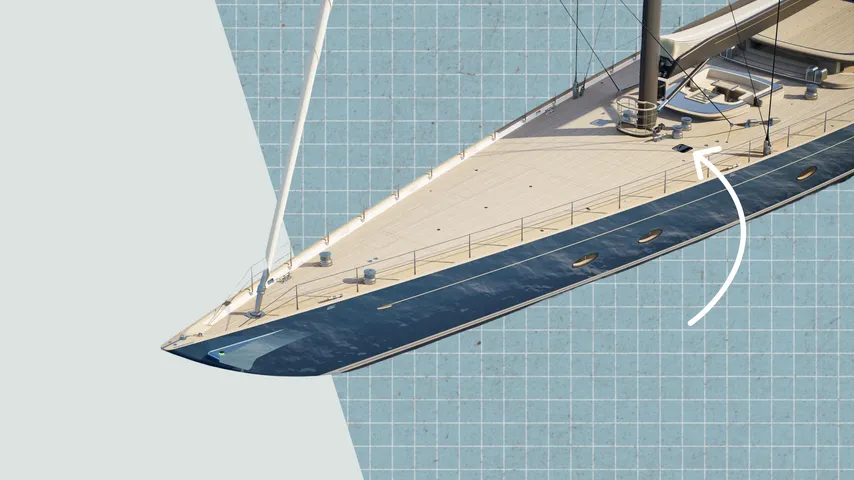
The ships themselves feature a rugged aluminium hull designed to withstand severe sea states on transatlantic routes. Below deck, pallets are stored in a climate-controlled hold.
The shipping forecast
Clippership’s model sidesteps many of the constraints of traditional shipping. Its vessels can operate from smaller, underused ports that are often cheaper and closer to production and consumption than major hubs, which are frequently congested, expensive, and hard to access.
“The adjacent small ports are typically very sleepy and virtually free to use, particularly if you're using pallets because there's no heavy infrastructure involved in moving them off a boat,” Cymbalist says.
Smaller units also allow cargo to bypass major hubs, cutting transit times and carbon-intensive trucking. By distributing the goods across a wider network of ports, the system reduces congestion and lowers the fees that accumulate when goods sit idle.
That shift also has economic benefits. Container ships may be relatively cheap to buy on a per-ton basis, but a $100 million vessel can consume roughly half a billion dollars in fuel over its operational life. Port infrastructure adds another major expense, with deep-water terminals requiring vast capital investment and costly access.
Clippership’s alternative could be more resilient, structurally cheaper, and significantly less carbon-intensive. It now needs to progress from scale models to real-world utility.
Two 5-ton cargo prototypes are scheduled for delivery in Brazil this June, while the first 24-metre flagship vessel is set for splashdown by the end of this year. Fully operational cargo runs are slated to follow in early 2027.
But to reach that goal of thousands of vessels, Clippership may eventually move beyond third-party shipyards. “If we want to build 1000, we would probably have to start assembling these things ourselves,” Cymbalist says.
That scale would lead to his ultimate goal for the company. “Success for me would be that Clippership becomes financially and operationally viable enough to not be considered a novelty anymore, but another way of shipping stuff.”
Yet the model won’t work everywhere. High-volume corridors such as Shanghai-Los Angeles, Cymbalist admits, would not be a good fit. “It probably doesn't make sense to replace a single large container ship with 1,000 of these on that route, but on many routes, it does,” he says.
The aim is to find the routes where the model is superior, become established there, then, as Cymbalist puts it, “fade into the background.”