Video

A new approach to marine ventilation
By Foundationº
Published
2026.05.21
Disclaimer

Air conditioning is the single largest domestic electrical load on most marine vessels. To reframe that, cooling requires a lot of power.

When using readily available fossil fuels, this isn’t something yacht designers spend much time on, but in a situation where a yacht runs entirely on renewable energy this becomes a management challenge — especially when the marine sector lags behind the residential world.

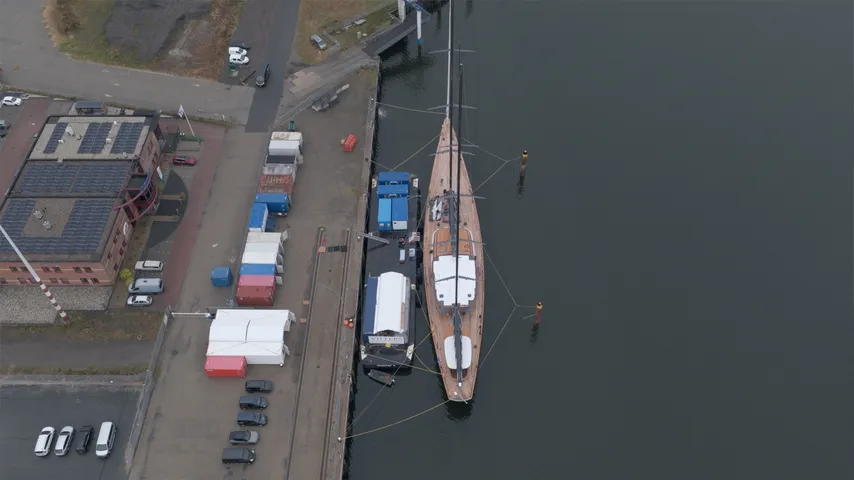
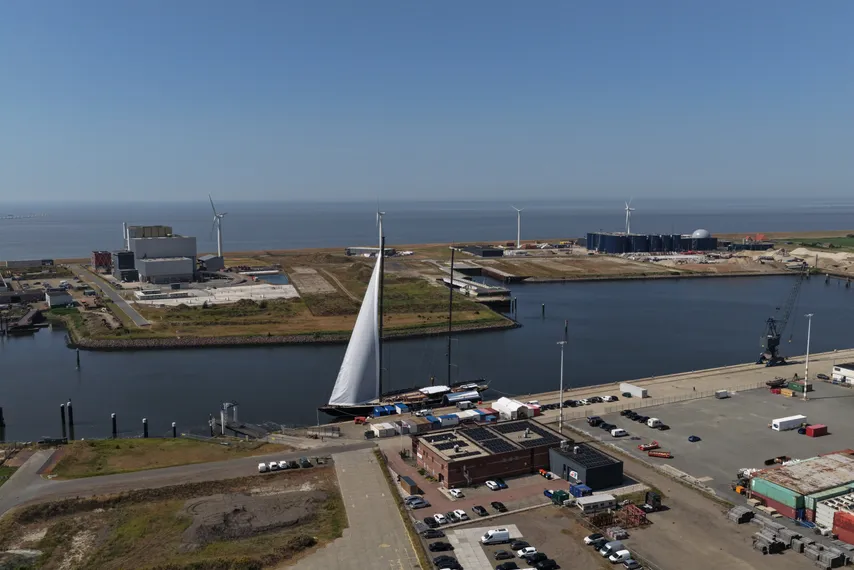
To help confront this issue, the team behind sailing yacht Zero approached Termodinamica. And the outcome of this partnership? A specialised thermal management solution that moves beyond traditional cooling to address energy consumption at its source.

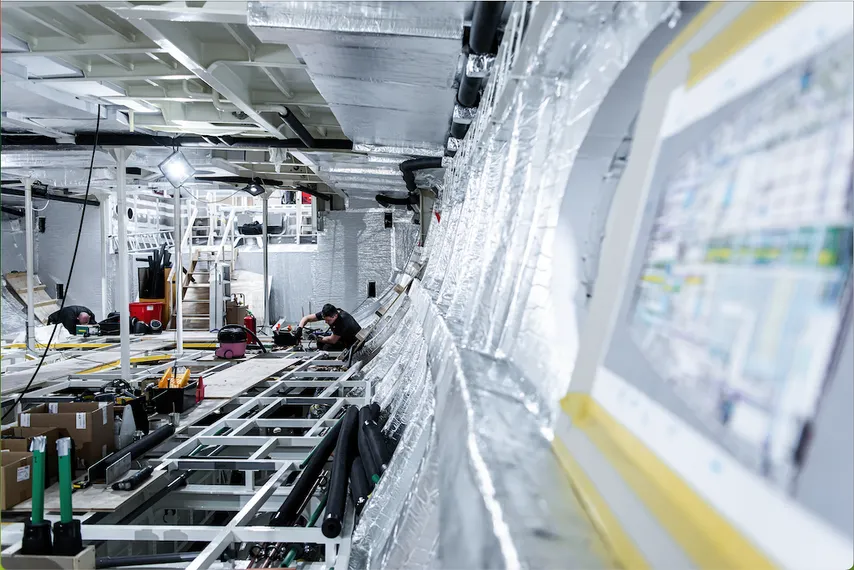
The core innovation of this new system is dynamic, sensor-driven ventilation. Standard yacht ventilation operates on a constant-volume basis, drawing in large quantities of external air regardless of how many people are on board and where they are.

The problem is that this ambient air is often hot or humid, which places a massive load on the cooling system. But, by integrating CO2 and humidity sensors around the vessel, Termodinamica’s technology can precisely change fresh air intake depending on who’s in the room.

By cooling only the air necessary for the present occupants, the system drastically reduces the vessel's overall heat load before the cooling process even begins.

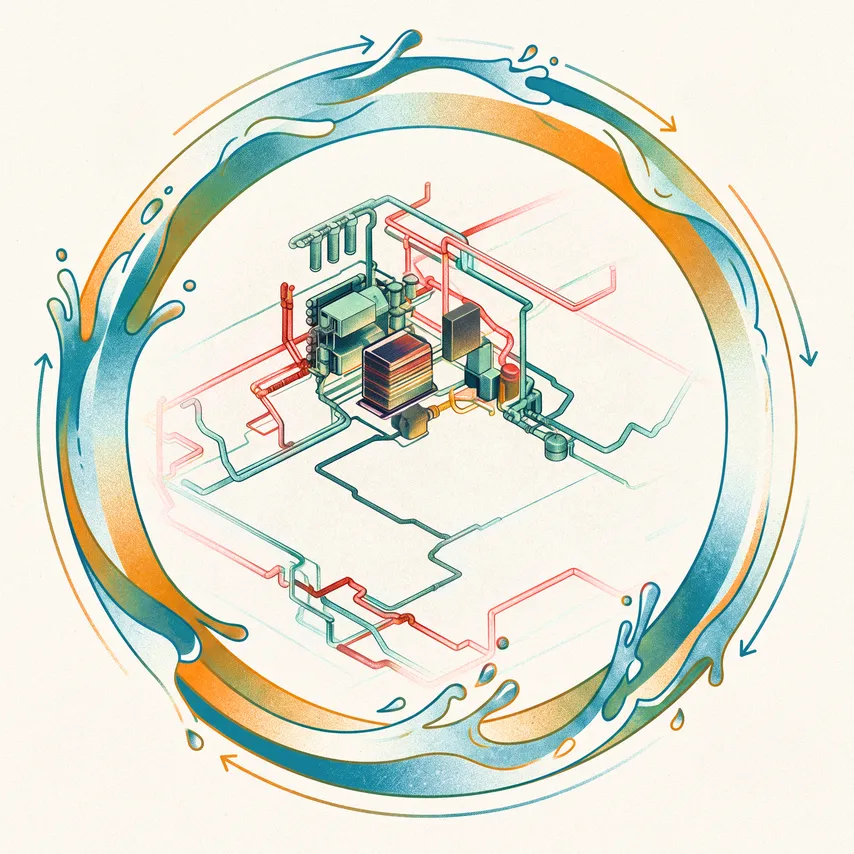
This architecture is supported by Termodinamica’s established Direct Expansion (DX) technology. Unlike the chilled water systems traditional in the maritime industry, the DX approach circulates refrigerant directly to the air handlers.

All this comes together to reduce total power consumption for climate control by up to 70%.

In this success story, we can find a kernel of what makes a project like sailing yacht Zero so intriguing. Because the vessel is forced to operate under strict parameters, it finds unique and novel ways to save energy, something that the entire marine sector can benefit from in the future.

Thermal management might not be the first thing people consider when talking about sustainable maritime engineering, but this project proves it’s one of the most important.

Read our latest news, articles and insights today
2026.05.13|Feature
Clippership’s sailing ‘robotaxis’ could make ocean freight more sustainable
2026.05.07|Video
What is the vision of Foundation⁰?
2026.04.24|Video
Powering the electric yacht of the future
2026.03.30|Video
How AI may enable autonomous yachting
2026.03.25|Feature
Using optical fibres to measure mast shape in real time
2026.03.13|Video
Sailing towards renewability: Real-time edge computing at sea
2026.03.06|Video
The story behind a cutting-edge regeneration and propulsion system
2026.02.26|Video
The road to an ocean-proof microgrid
2026.02.24|Research
Using digital twins to develop system control logic
2026.02.12|Video
Reinventing marine glazing with Royal-Maritiem
2026.01.29|Video
How these experimental PVT panels will harvest heat at sea
2026.01.14|Feature
Saving energy with a cutting-edge cooker ventilation system
2026.01.06|Video
Carbo-Link and the “breathing” mast
2025.12.03|Feature
Coding Zero: The role of software in next-gen yachts
2025.10.14|Feature
High Tech Telltales
2025.08.28|Feature
A smoother future for Antifouling coatings
2025.07.16|Feature
Protecting electric yachts from lightning strikes
2025.04.24|Feature
Using masts to reduce energy expenditure in the maritime industry
2025.04.17|Video
Can solar panels work when partially shaded? Expert Video
2025.01.09|Research
Sail team BCN Impact & Sustainability Report
2024.11.22|Research
Design of a Cell String Level Maximum Power Point Tracking Converter connected to a DC Grid
2024.10.04|Video
Uncovering the results of lightweight insulation: Expert Video
2024.07.18|Video
Developing a combined hydro generation and propulsion system: Expert Video
2024.06.12|Feature
Uncovering the results of lightweight insulation
2024.05.30|Video
Making PVT Panels suitable for use at sea: Expert Video
2024.02.15|News
Foundation⁰ and Sail Team BCN: Shaping the future of sustainable sailing
2023.09.06|Feature
An exploration into making PVT panels suitable for use at sea
2023.06.29|Feature
How a custom electricity converter is helping create a world-first sailboat
2023.06.06|News
Sponsorship announcement
2023.04.23|Feature
We tested whether absorption chillers are suitable for use in the marine sector
2023.04.21|Feature
Guest-blog: The sailboat
2022.11.14|Feature
The sailing yacht: hydro-generation, solar, electric and heat generation
{ Foundation⁰
believes in a future powered entirely by renewable energy.

Newsletter

Sign up to our newsletter to get early access to white papers and insights

Office

Singel 134

1015 AG Amsterdam

The Netherlands


Stichting ZERO (Foundation)

Chamber of Commerce registry number: 88529266

RSIN: 864670540