Squeezing more from the sun: inside the PVT system powering sailing yacht Zero
Solar power has become the cheapest form of energy in history, but a big problem is throttling its adoption: space.
Whether on residential buildings, factories, or retail stores, there’s only so much surface available to capture sunlight. To expand solar’s reach, engineers must squeeze the maximum amount of energy out of every square metre.
This need is especially obvious on yachts. Deck space is scarce, energy demand is relentless, and conventional solar panels can only convert around 20% of sunlight into electricity. The solution may not be adding more panels, but extracting more energy from the ones already available.
Mito Solar, a renewable energy company in Meppel, the Netherlands, is exploring that approach by adapting photovoltaic-thermal (PVT) technology for use at sea.
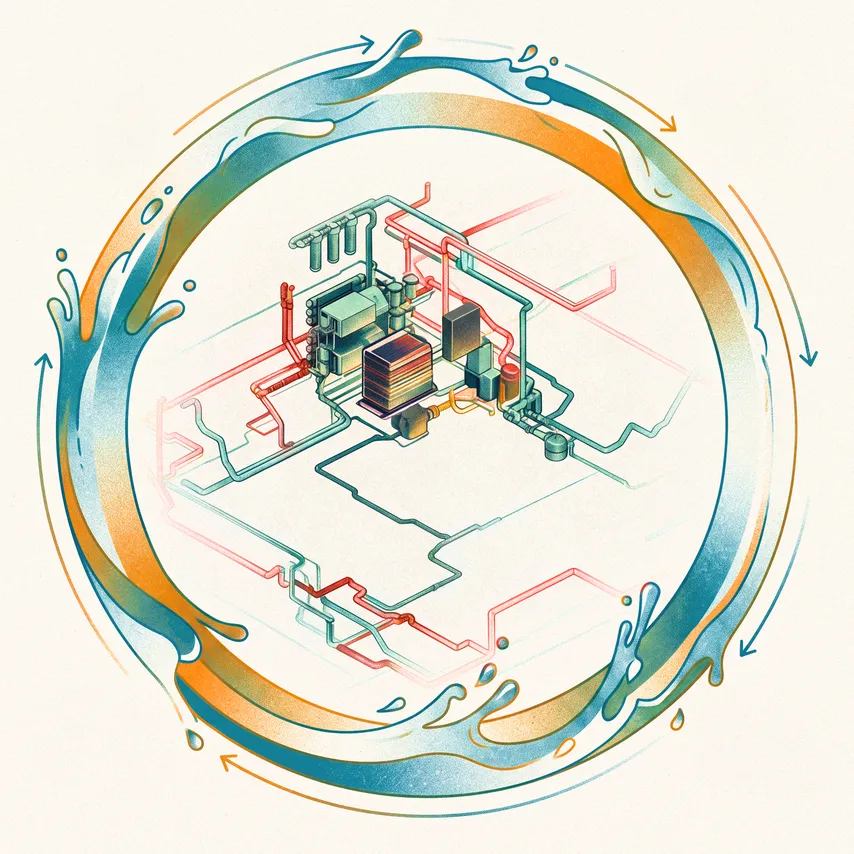
PVT systems do something standard solar panels cannot: capture both electricity and usable heat from the same surface area. In theory, that means extracting significantly more total energy from the same footprint.
The basic technology has already been used in building applications, but bringing it to sea introduces a new set of challenges. A marine PVT system must be lightweight enough for a yacht, durable enough to survive seawater and ocean vibrations, and capable of maintaining performance under frequently changing conditions. For Mito Solar and the Zero team, that meant rethinking almost every part of the system.
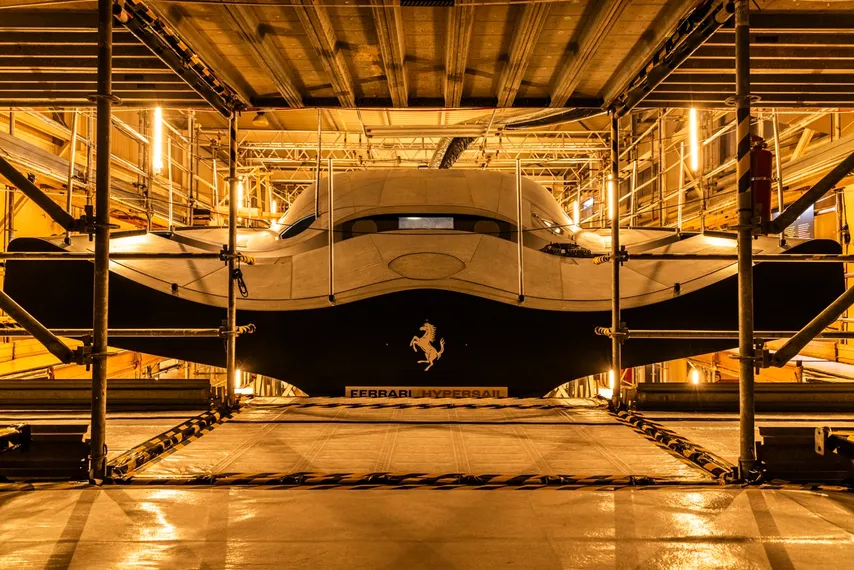
By combining lightweight construction, vacuum insulation, and heat recovery, the company has re-engineered PVT for one of its most challenging environments yet. To put it to the test, Mito Solar is installing the technology on a unique new vessel: sailing yacht Zero.
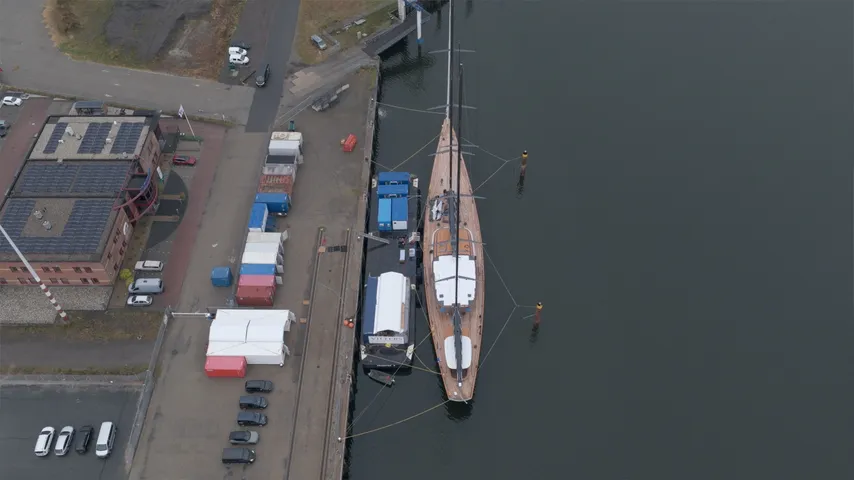
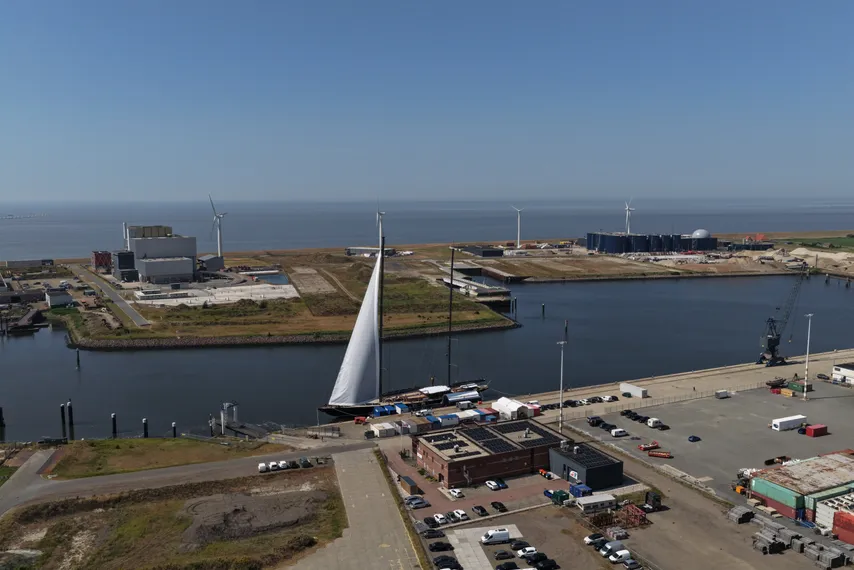
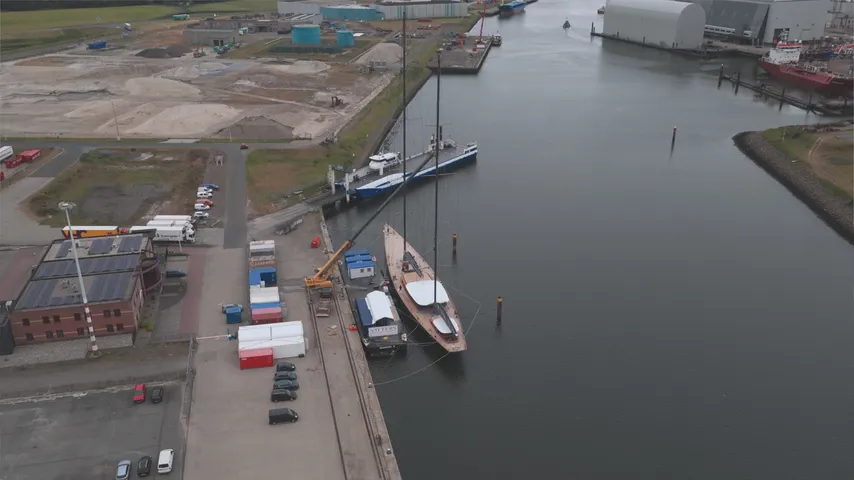
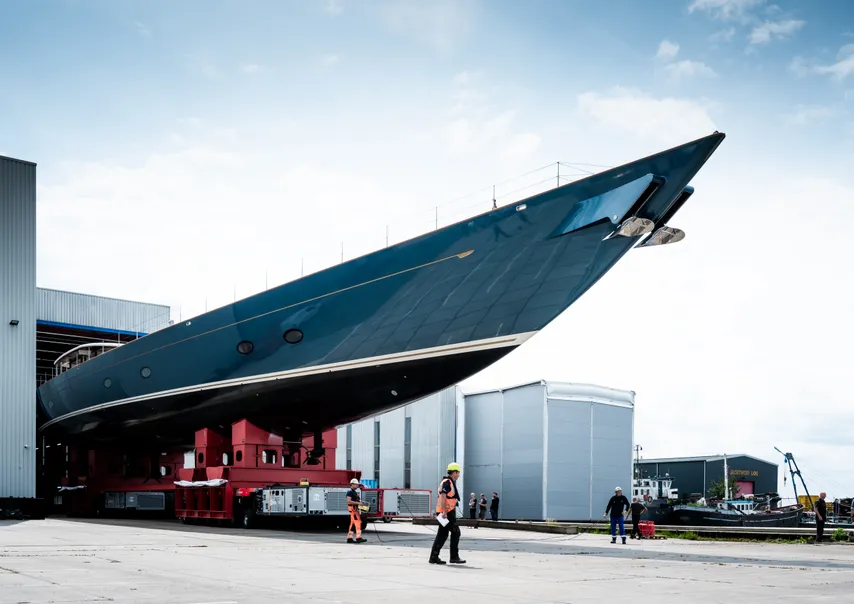
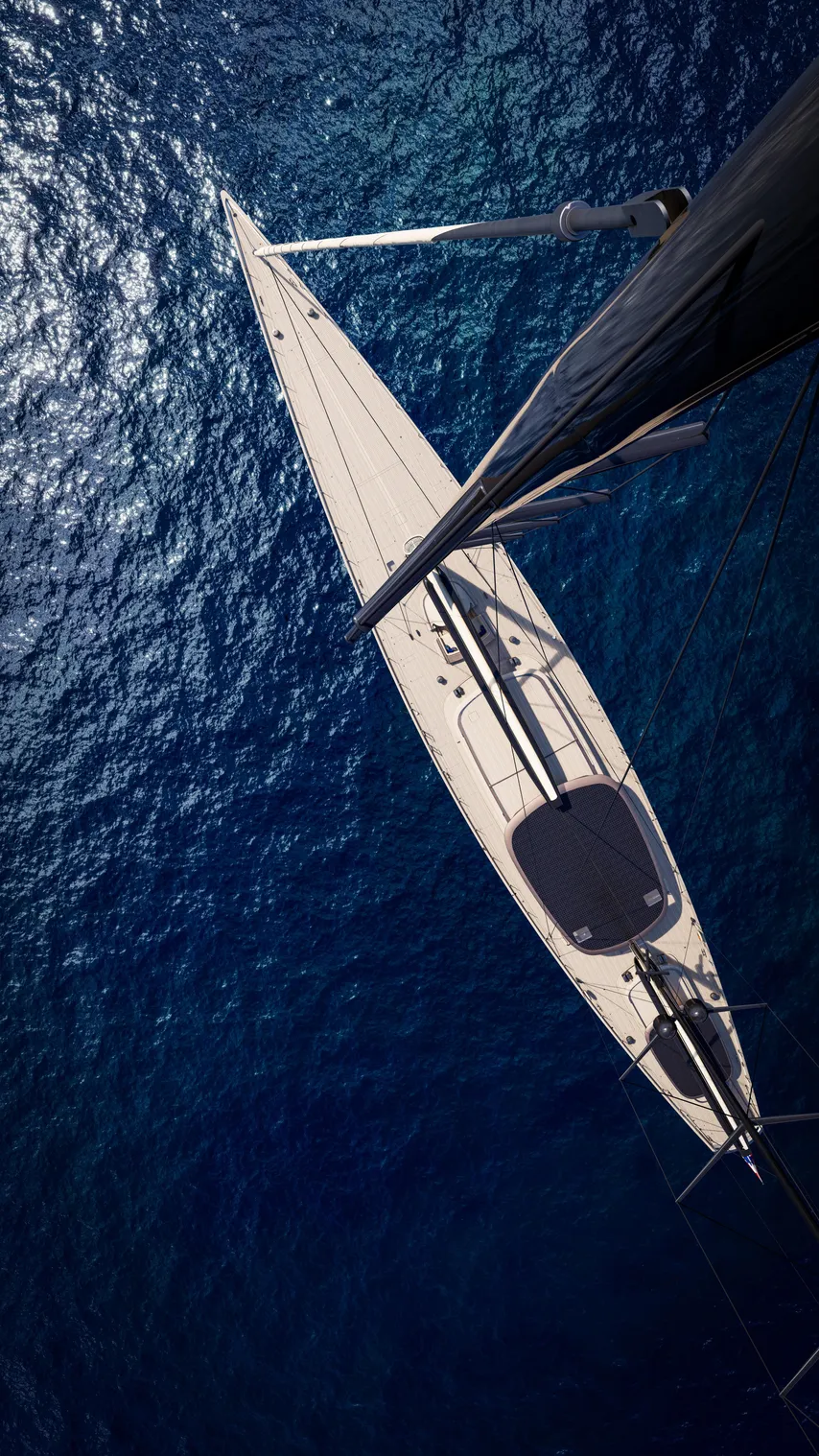
The 69.8-metre vessel aims to set a new precedent for eco-conscious seafaring. “Sailing yacht Zero may be the first modern superyacht to operate without fossil fuels on board,” says Jules van Haaren, the co-founder of Mito Solar.
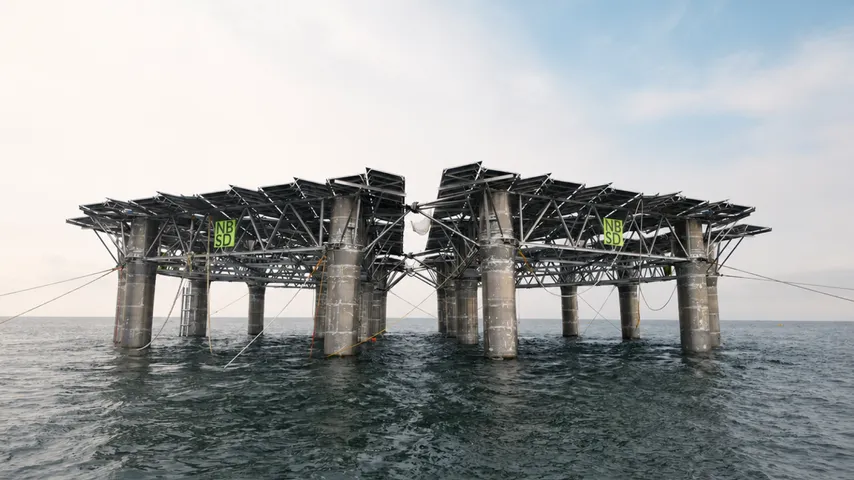
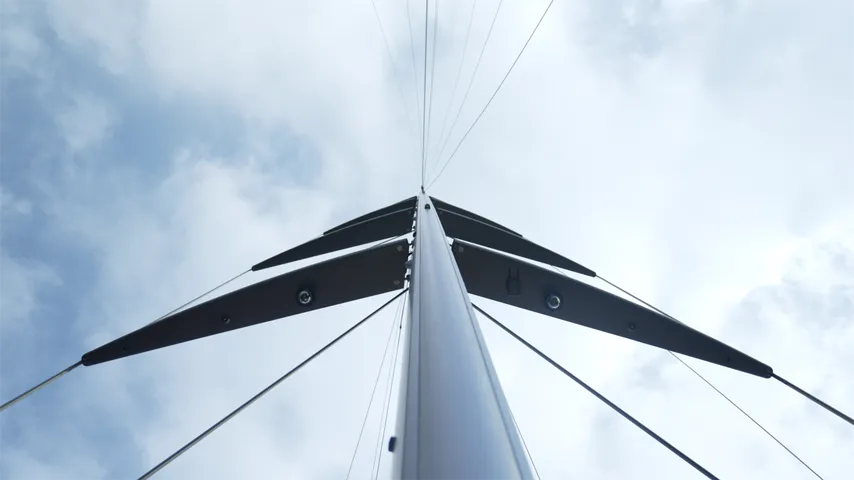
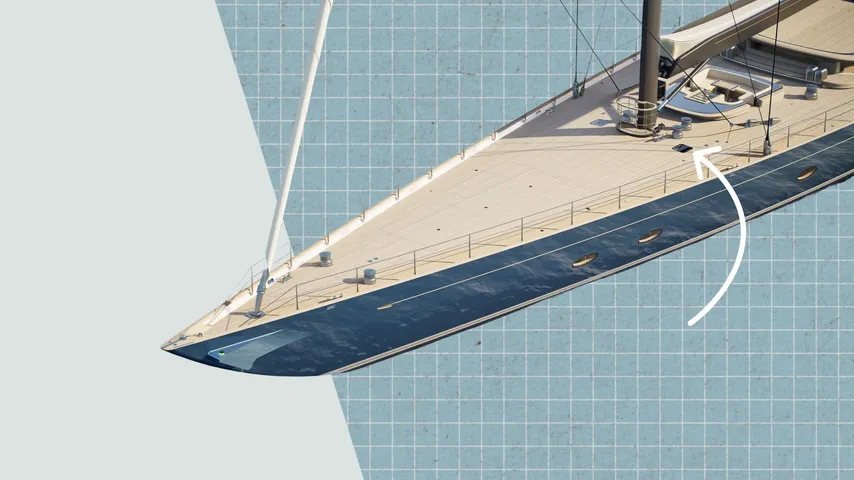
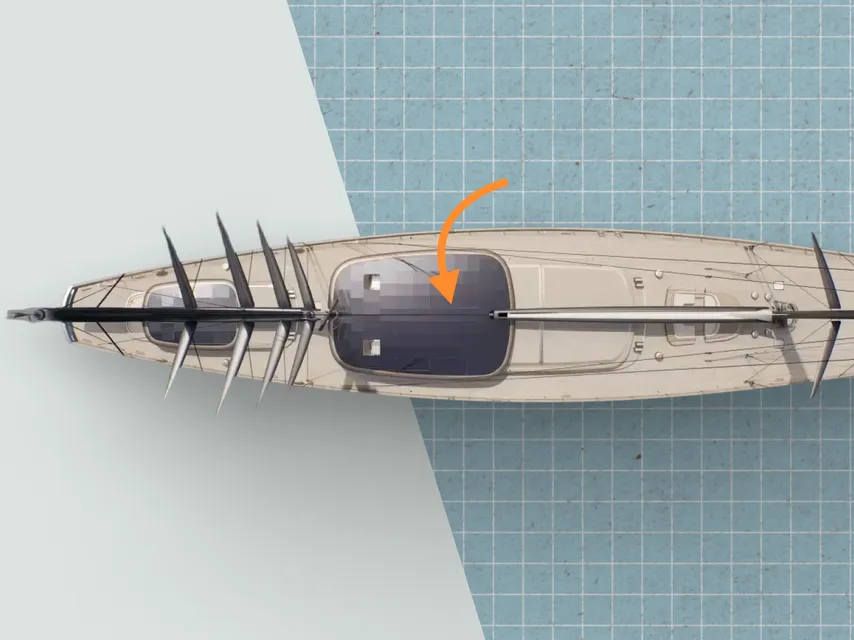
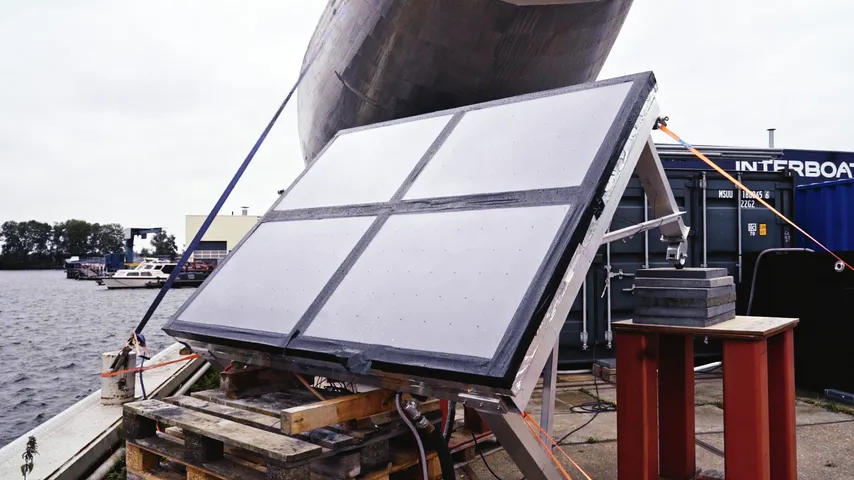
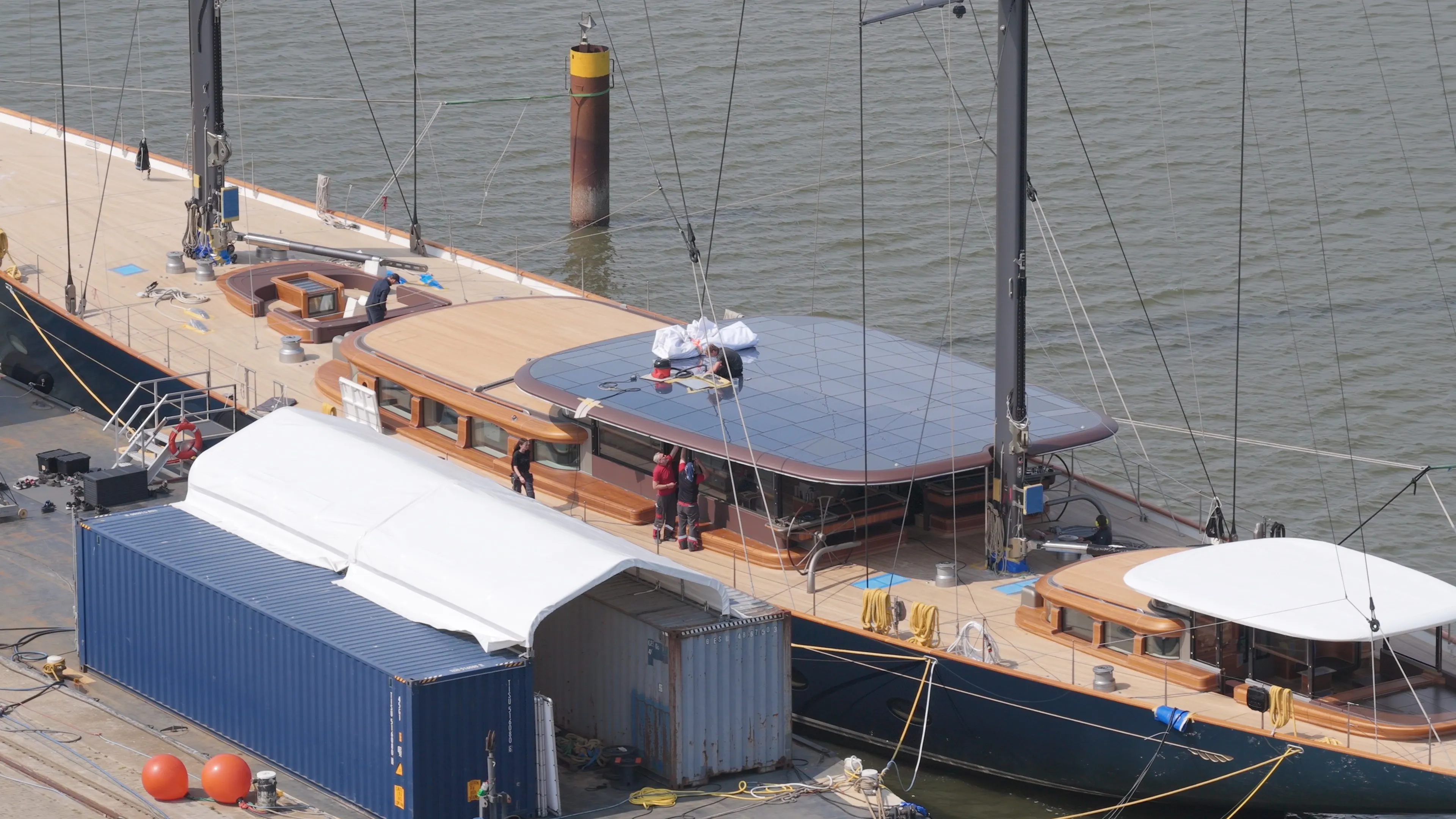
The company’s PVT modules will play a key role in decarbonising the boat. Installed across roughly 100 square metres of the yacht spread over multiple horizontal structures, the vacuum-insulated panels will both generate electricity and capture heat that would normally be wasted.
The electricity will power onboard systems. On paper, the system will deliver roughly 20 kW of peak electrical output, though van Haaren estimates real-world performance closer to 10 kW after accounting for shading from sails, rigging, and operating conditions. The heat, meanwhile, will circulate through pipework and directly provide heating, or get converted into cooling via an absorption heat pump. The system can produce an estimated 40–50 kW of thermal energy.
With yachts requiring extensive air conditioning and climate control systems, that could have an enormous impact. “The cooling is probably the highest energy demand of the ship,” says van Haaren.
Altogether, the system is projected to produce around 26,000 kWh of electricity and 270,000 MJ of thermal energy each year. That could displace the equivalent of 25 to 30 tonnes of diesel annually, avoiding an estimated 65 to 78 tonnes of carbon dioxide emissions.
A novel solar system
Unlike conventional solar panels, Mito Solar’s modules are designed to harvest two forms of energy at once.
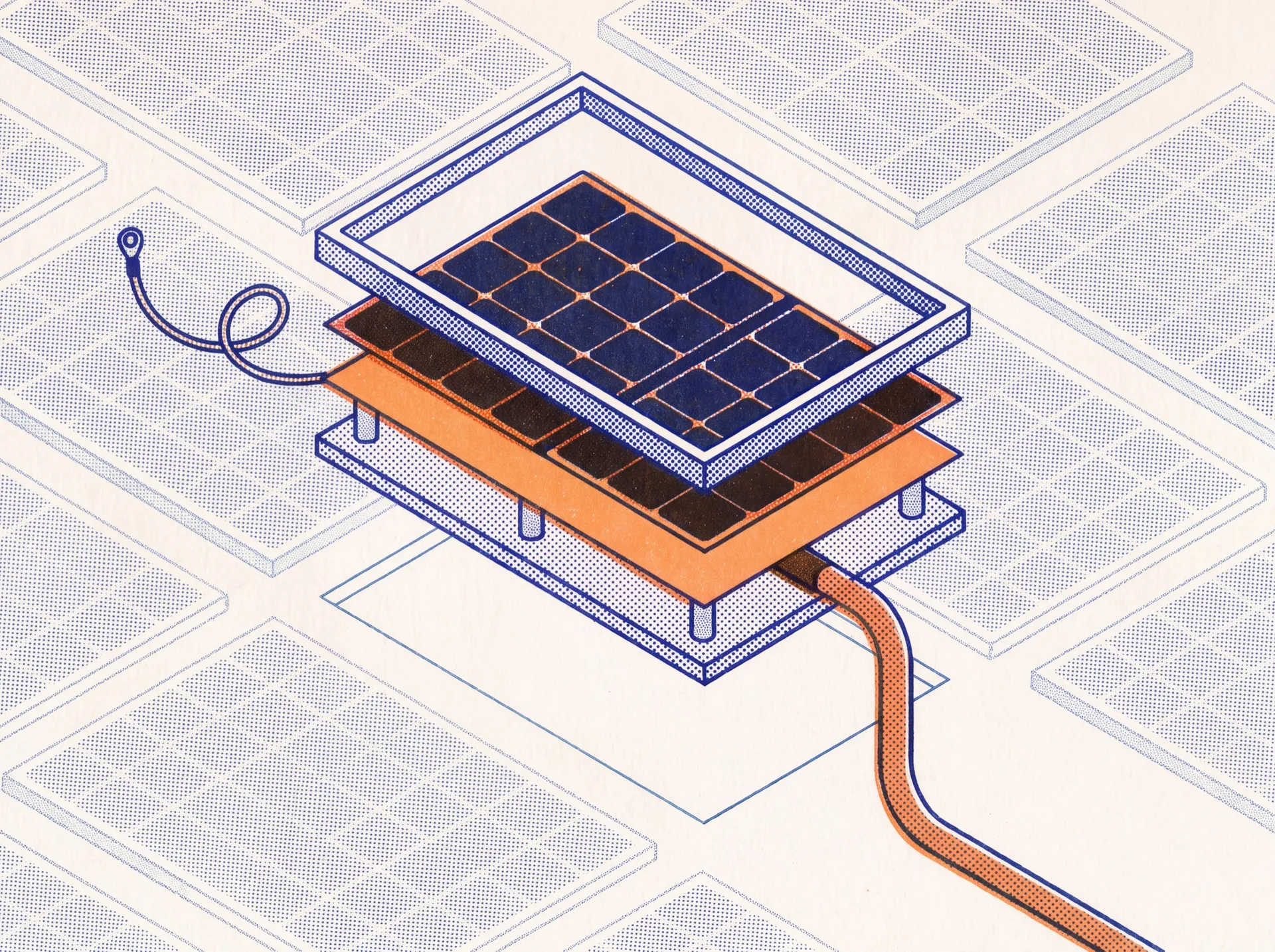
A standard photovoltaic panel consists of solar cells laminated beneath a sheet of glass. It converts sunlight into electricity, but loses much of the remaining energy as heat.
Mito Solar’s system is built differently. Beneath the solar cells sit channels that carry heat away through circulating fluid. Above them is an unusual feature: a vacuum layer.
“There’s glass, then there’s a gap, and that gap holds a vacuum, so there’s no air there,” van Haaren says. “That’s an almost perfect insulator.”
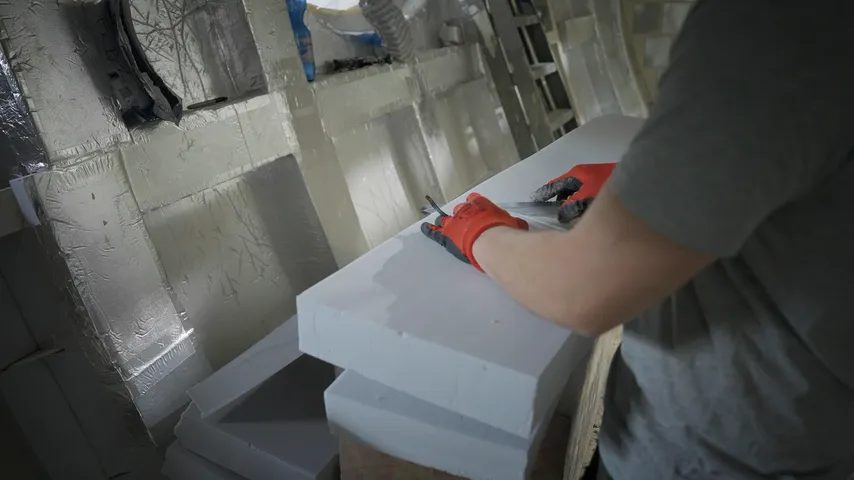
The vacuum dramatically reduces heat loss through the front of the panel, allowing far more thermal energy to be recovered. Beneath the cells, aluminium backing and embedded tubing extract the heat, while insulation on the rear prevents it escaping in the opposite direction.
The result is a panel that, on paper, can convert around 80% of incoming solar energy into usable electricity and heat. That’s roughly four times the total energy yield of a conventional photovoltaic panel.
The concept for the system came from Bob van Someren, an R&D consultant with a PhD in physics who helped adapt the technology for the sea. His challenge was to overcome one of the technology’s biggest trade-offs: generating high-temperature heat without sacrificing too much electrical output from the solar cells.
The solution combined vacuum insulation on the front with a thermal loop underneath to capture heat at useful temperatures instead of losing it to the environment.
“The idea for PVT didn’t come from us, but from Bob,” van Haaren says. “We were partners to realise the ideas of a photovoltaic-thermal solar panel.”
Mito Solar then turned the idea into a manufacturable product. For van Haaren, this was a natural extension of an obsession that began years earlier.
Racing for renewables
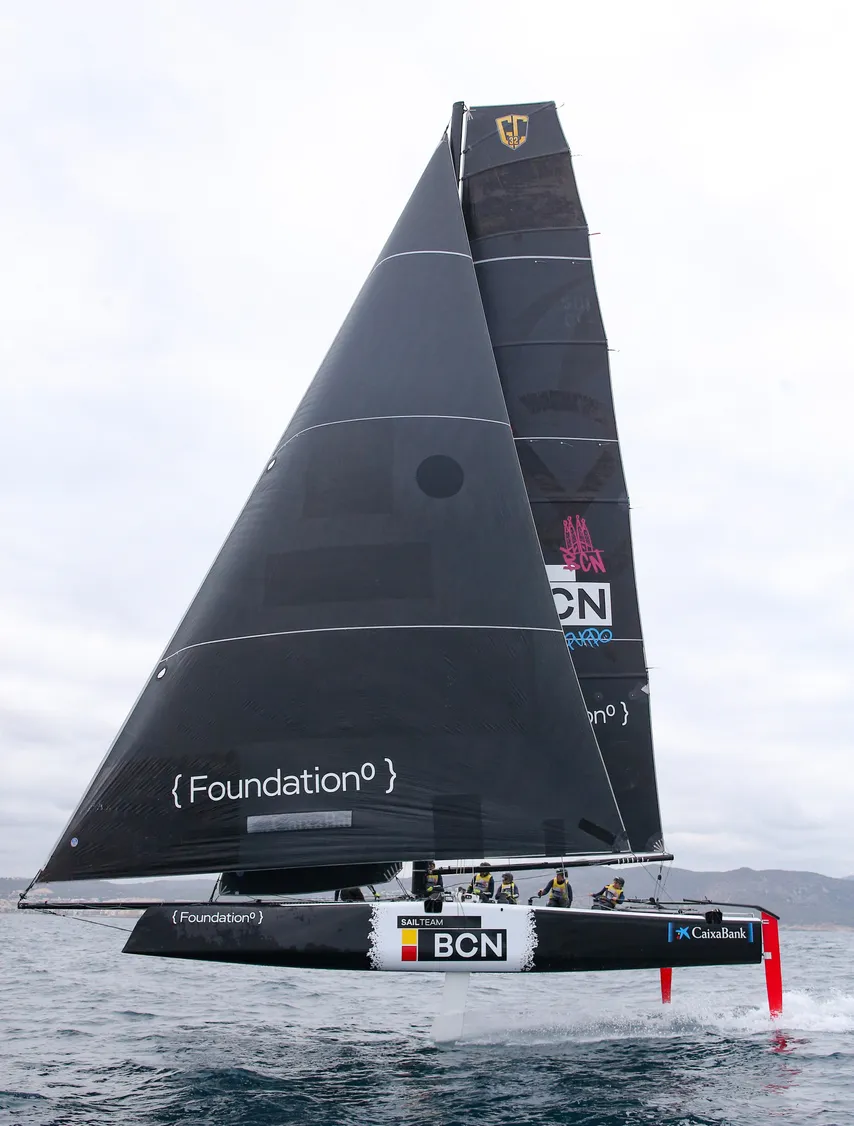
Long before founding Mito Solar, van Haaren competed in Dutch solar boat racing, an engineering competition where teams build high-performance boats powered by the sun. Success depended on extracting every possible watt from limited deck space.
Van Haaren and his teammates designed much of their boat from scratch, from hydrofoils and power electronics to lightweight solar modules.
Years of testing materials, refining manufacturing techniques, and shaving weight from components led to ultra-light, high-efficiency solar panels. In 2019, they founded Mito Solar to commercialise that technology. But for sailing yacht Zero, almost every part of the panel had to be rethought.
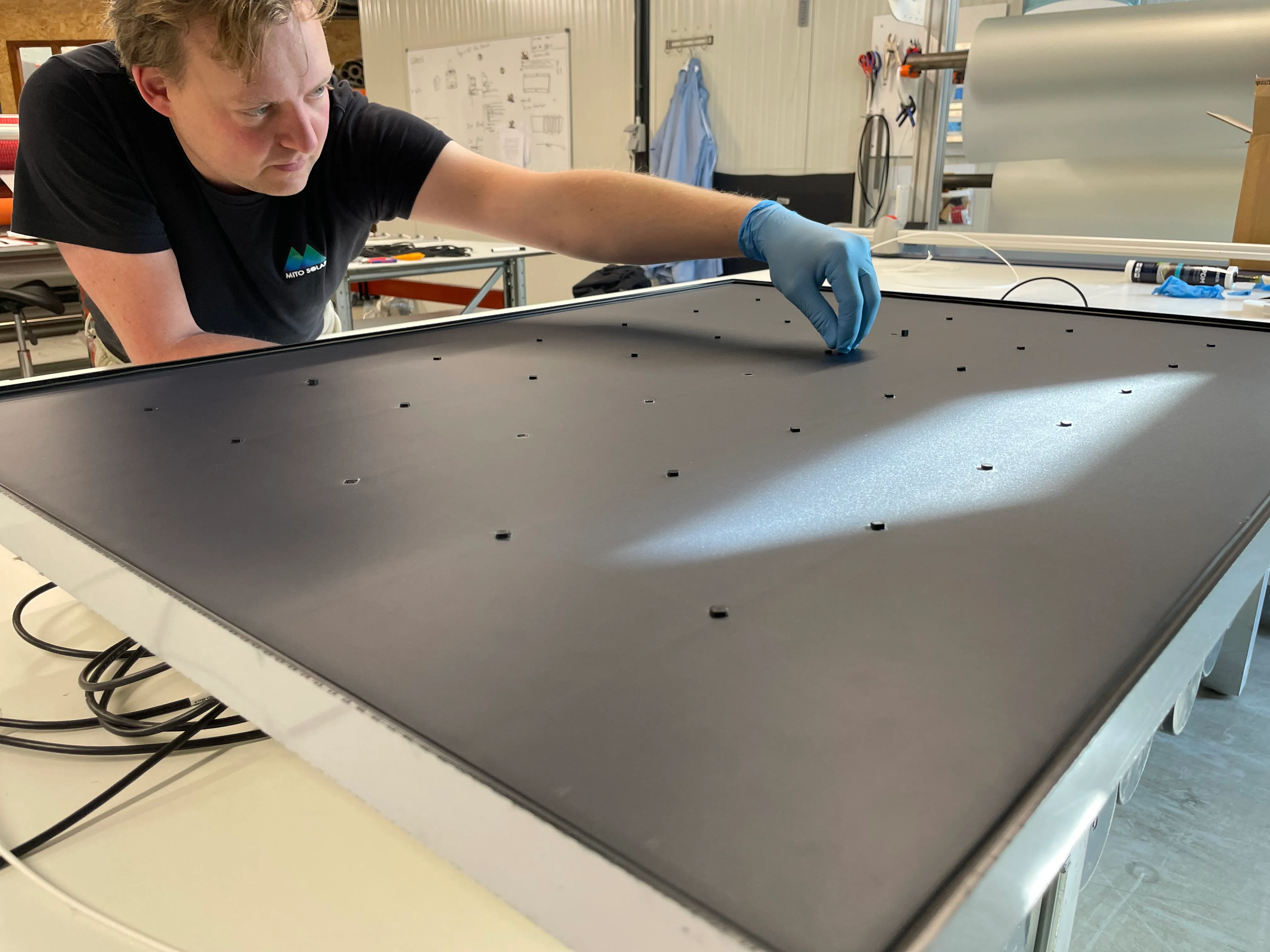
Early prototypes laminated the solar cells directly onto aluminium to improve heat transfer. The approach worked, but keeping the heat inside the panel proved far harder. Engineers experimented with silicone sheets, alternative glazing systems, and different manufacturing methods before settling on the vacuum-insulated design.
The vacuum itself created another problem. Atmospheric pressure exerts roughly 10,000 kilograms of force on every square metre of the glass surface. Without internal support, the glass would simply bow inwards.
The solution came in the form of spacers made from PEEK, a high-performance engineering polymer capable of surviving both high temperatures and immense compressive loads. Each spacer had to be positioned inside precisely laser-cut openings between individual solar cells, preserving the vacuum without damaging the fragile photovoltaic layer.
Another vital challenge was finding the right adhesive.
The bond between the solar laminate and its aluminium backing needed to conduct heat effectively while remaining electrically insulating. After extensive testing, the team found a bonding material that transferred heat around 20% more efficiently than previous candidates.
A custom rubber gasket completes the system, creating an airtight seal around each unit to maintain the vacuum over long periods at sea.
The journey to sea
The PVT system on sailing yacht Zero is still a prototype. It will get a stern test during sea trials, which are approaching fast. Van Haaren says the next challenge is making the panels easier and cheaper to manufacture. But he’s already envisioning applications far beyond luxury yachts.
After all, ships are only one example of solar power’s space problem. Apartment buildings, commercial rooftops, and industrial facilities all face the same constraint. If more energy can be harvested from every square metre, fewer panels are needed to produce the same output.
“For projects where you don’t have a lot of space to spare, like a ship, this can be a breakthrough in terms of how much you can harvest from the sun,” says van Haaren. “Normally it’s 20% or less of solar energy that’s converted to usable electricity. Now with this technology, it can be 80%. That’s just a remarkable step.”
Sailing yacht Zero still has to prove itself at sea. But the project has already shown what’s possible when solar systems extract both heat and power from the same surface.